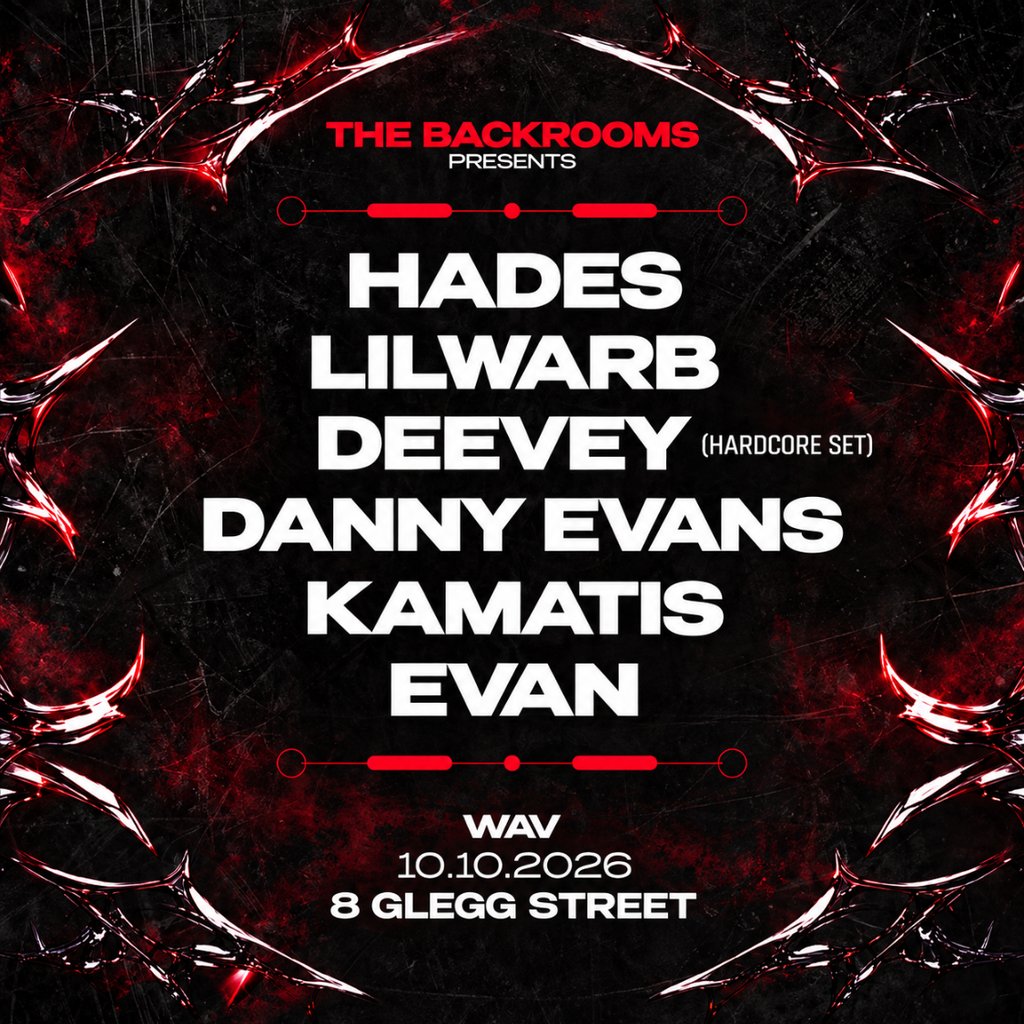
 Sat10Oct
 THE BACKROOMS presents: HADES LILWARB DEEVEY +MORE
Hard Dance · Techno£15–£30

Techno is built around a steady, repetitive four-on-the-floor kick drum, with the groove coming from drum machines and synths rather than sung choruses. It's a primarily rhythmic genre that commonly revolves around a four-on-the-floor beat. Tempo is one… Read our guide to Techno ↓
84 events found
Sat10Oct  Sat10Oct
  Sat10Oct
  Sat10Oct
  Sat10Oct
  Sat10Oct
  Sun11Oct
  Sun11Oct
  Sun11Oct
  Sun11Oct
  Sun11Oct
  Sun11Oct
  Sun11Oct
  Sun11Oct
  Sun11Oct
  Sun11Oct
  Sun11Oct
  Tue13Oct
 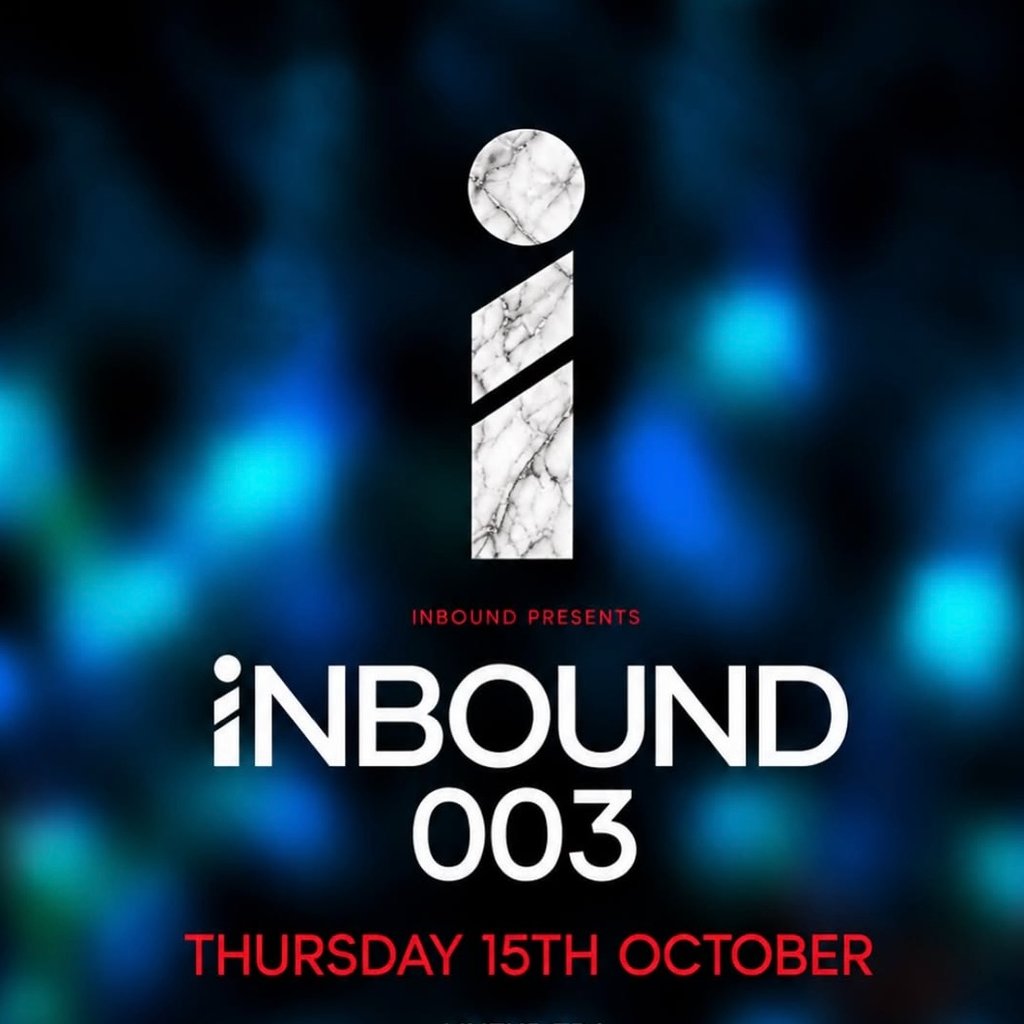 Thu15Oct
  Thu15Oct
 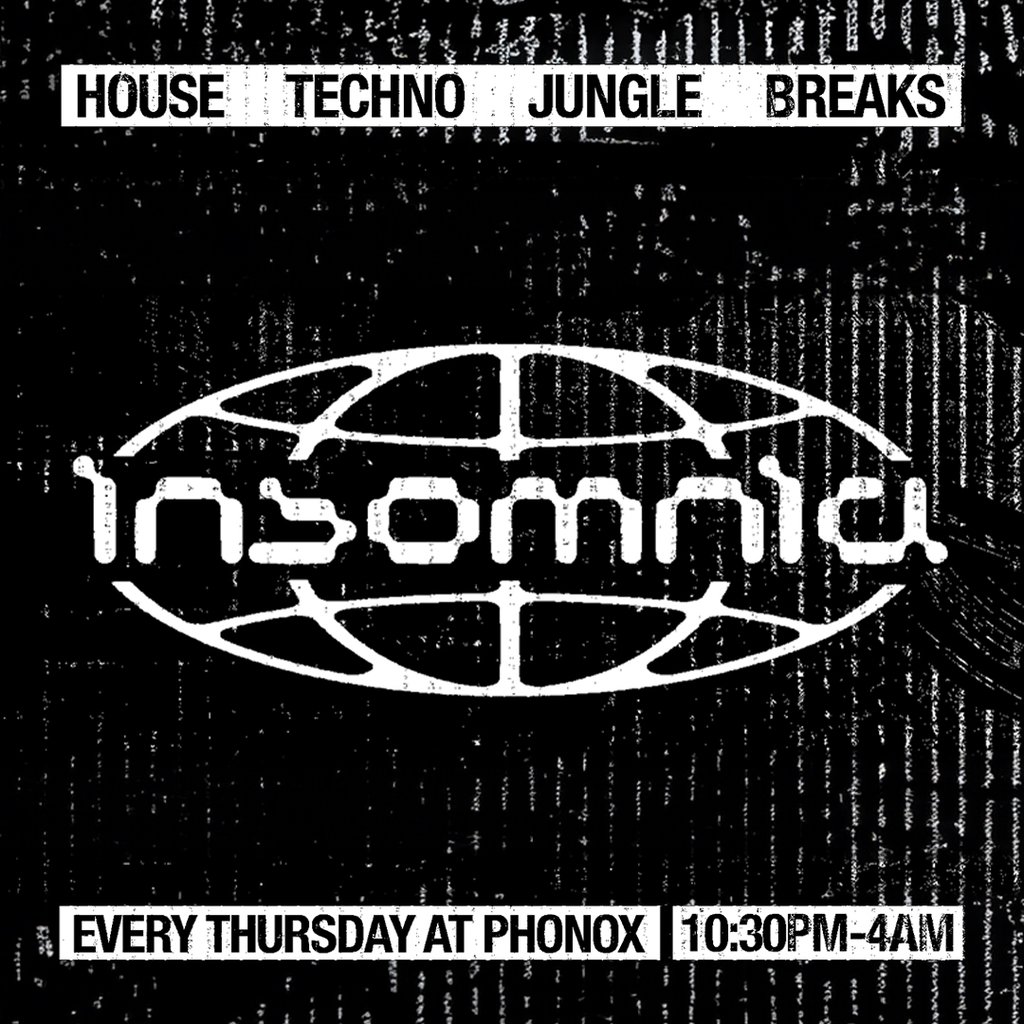 Thu15Oct
  Fri16Oct
 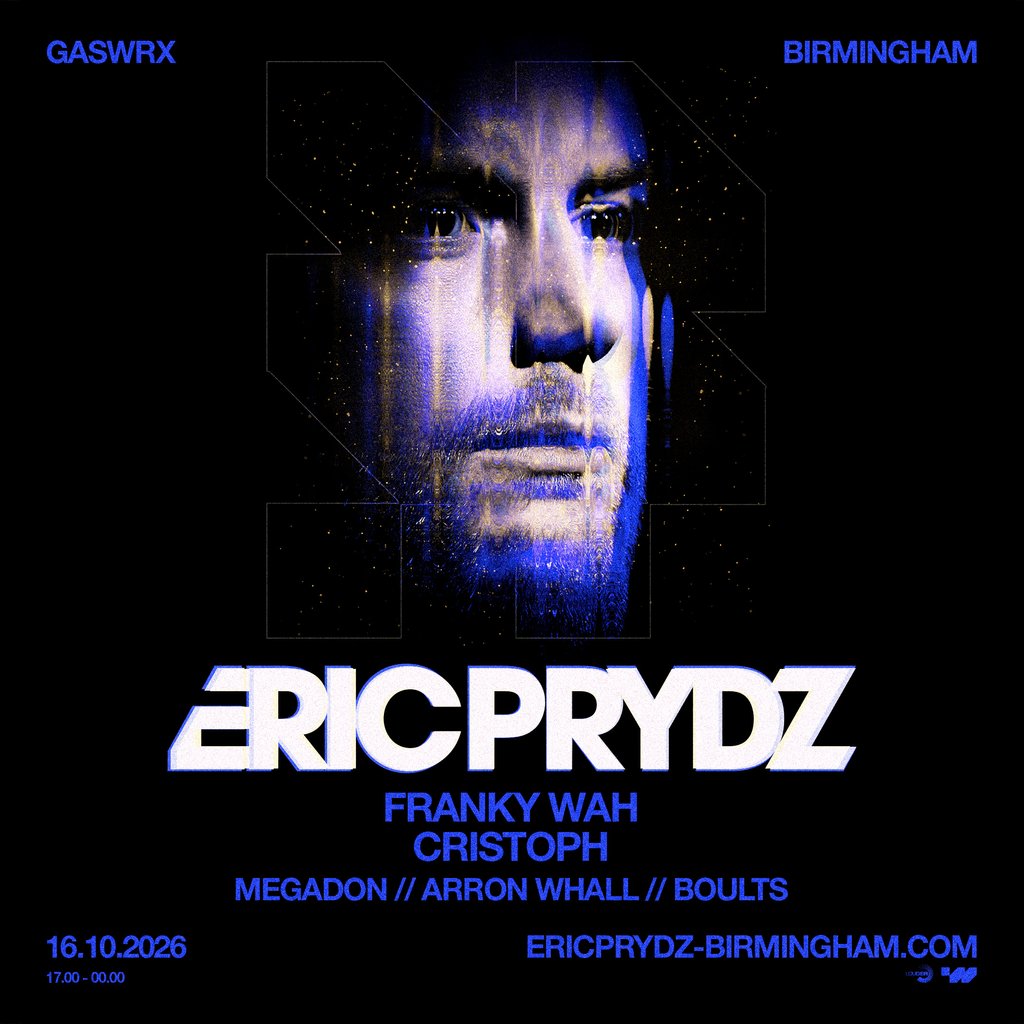 Fri16Oct
  Fri16Oct
 Techno is built around a steady, repetitive four-on-the-floor kick drum, with the groove coming from drum machines and synths rather than sung choruses. It's a primarily rhythmic genre that commonly revolves around a four-on-the-floor beat. Tempo is one of the easiest ways to spot where you are in the genre: techno is usually produced between 125 and 140 BPM, with most club tracks landing between 128 and 135 BPM. Push further and you hit the harder end of the spectrum, where hard techno runs 140 to 160 BPM and feels relentless and rave driven, while dub and minimal strands sit slower and more spacious, built on reverb, delay and small details rather than big drops.
Techno began in the mid-1980s in Detroit, where it generally includes the first techno productions by Detroit-based artists during the 1980s and early 1990s, with Juan Atkins, Derrick May and Kevin Saunderson among its key originators. The sound crossed the Atlantic quickly and took on its own character here. In Sheffield, abandoned warehouses left over from the city's declining steel industry were being used for illegal raves as part of the growing subculture of club music and acid house, and in 1989 Warp Records was founded in Sheffield by Steve Beckett, Robert Mitchell and Robert Gordon, going on to champion the "bleep" sound of acts like LFO and Nightmares on Wax. Over in the Midlands, Birmingham became known for its relentless, industrial techno style, championed by artists like Surgeon and Regis. Pirate and legal radio played a huge part in spreading the sound: London's Kiss FM carried shows by Colin Faver, best known for his 1990s cutting-edge show on Kiss FM and an important role in the development of British club culture, alongside Dave Clarke, whom BBC radio presenter John Peel named "The Baron of Techno."
London remains a major hub, with fabric in Farringdon still running after being upgraded from a cold meat storage facility back in 1999 and at the forefront of electronic music for almost 25 years, and Manchester's Warehouse Project also holding a strong reputation for techno line-ups. But the scene is far from London-only — on any given weekend you'