
Hanger 13
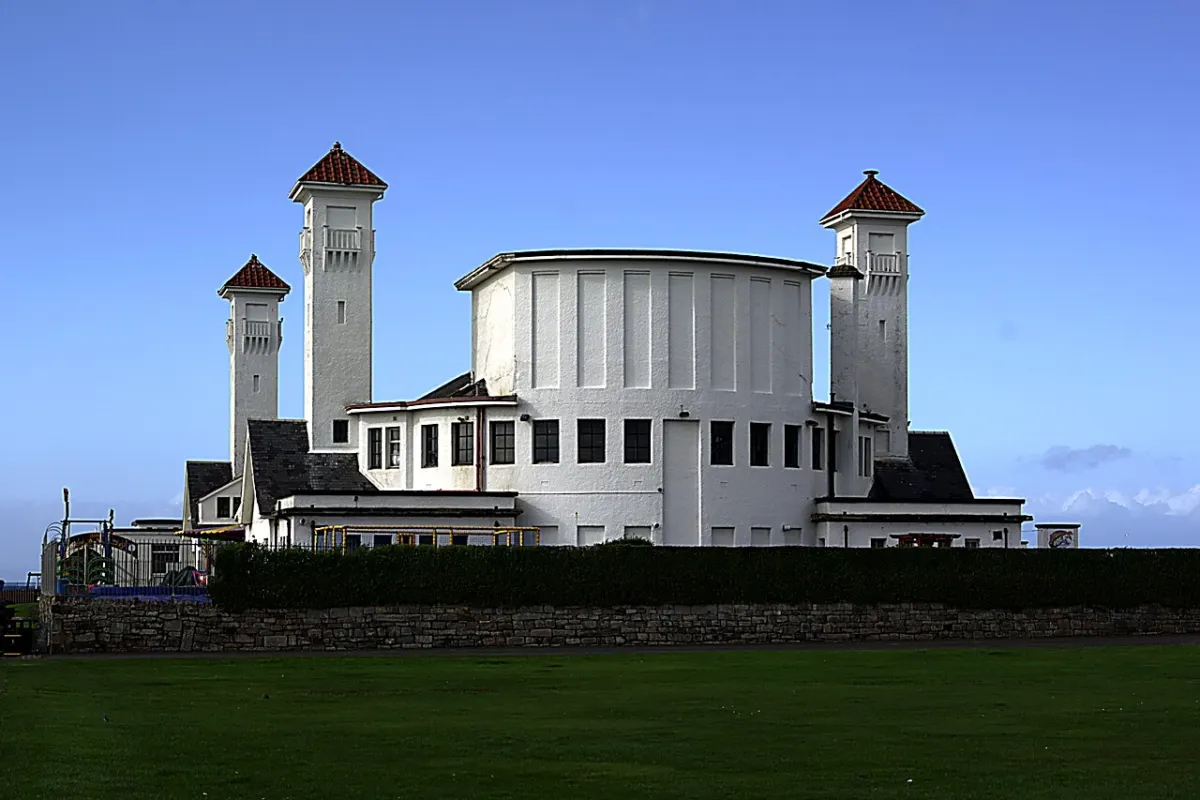
The story of Hanger 13
Hanger 13 was a nightclub in Ayr, on Scotland's west coast, housed inside the town's historic Pavilion building on the Low Green. The Pavilion itself dates back much further than the club: it was built in 1911 to a design by architect James Kennedy Hunter as a 600-seat multi-purpose hall, and across the 20th century it staged everything from music hall shows and ice skating to touring rock acts such as Iron Maiden, Gary Numan, Ian Gillan, Rory Gallagher, New Order and Faith No More.
In 1993 the building was given over to dance culture and rebranded Hanger 13, quickly becoming known as one of Scotland's leading rave and dance venues. It operated within the wider UK rave scene of the early 1990s, drawing crowds from across Ayrshire and beyond for nights built around hard house, techno and happy hardcore sounds, with DJ sets and live PAs from the hardcore and rave circuit of the period; surviving recordings from the club include sets broadcast live from the venue in 1993 and 1994.
The club's history was cut short by tragedy. During 1994 three young people died after attending events at Hanger 13, deaths that were linked at the time to ecstasy use and were among the earliest cases in Scotland to draw national attention to drug safety at raves, with contemporary reporting also pointing to overheating and a lack of free drinking water as contributing factors. The death of Andrew Stoddart in August of that year was the third such fatality at the venue, and it prompted intense police and media scrutiny of the rave scene more broadly.
Following the deaths, Hanger 13's entertainment licence was revoked and the club was shut down, despite a 'unity campaign' by ravers and supporters who tried to keep it open. The closure marked the end of the Pavilion's brief but intense period as a dance music venue, and it has since become a reference point in accounts of how UK drug policy and club licensing hardened in response to rave-era deaths.
The Pavilion building survived, however. For around two decades afterwards it operated as Pirate Pete's Family Entertainment Centre, a children's soft play venue, a world away from its rave-era incarnation. The B-listed building remains standing on Ayr's seafront, with the Pavilion Café among its more recent uses, a quiet landmark that still carries the memory of its brief but notorious spell as Hanger 13.
Key moments
- 1911: Building opened as Ayr Pavilion, designed by architect James Kennedy Hunter
- 1993: Venue became Hanger 13, a rave and dance club
- 1994: Three ecstasy-related deaths occurred at the club, including that of Andrew Stoddart
- 1994: Club's entertainment licence was revoked despite a 'unity campaign' to keep it open
- 2000s-2010s: Building reopened as Pirate Pete's Family Entertainment Centre
Sets & mixes from Hanger 13
Mixes hosted on Mixcloud by their uploaders. Tap to play.