Selling fast
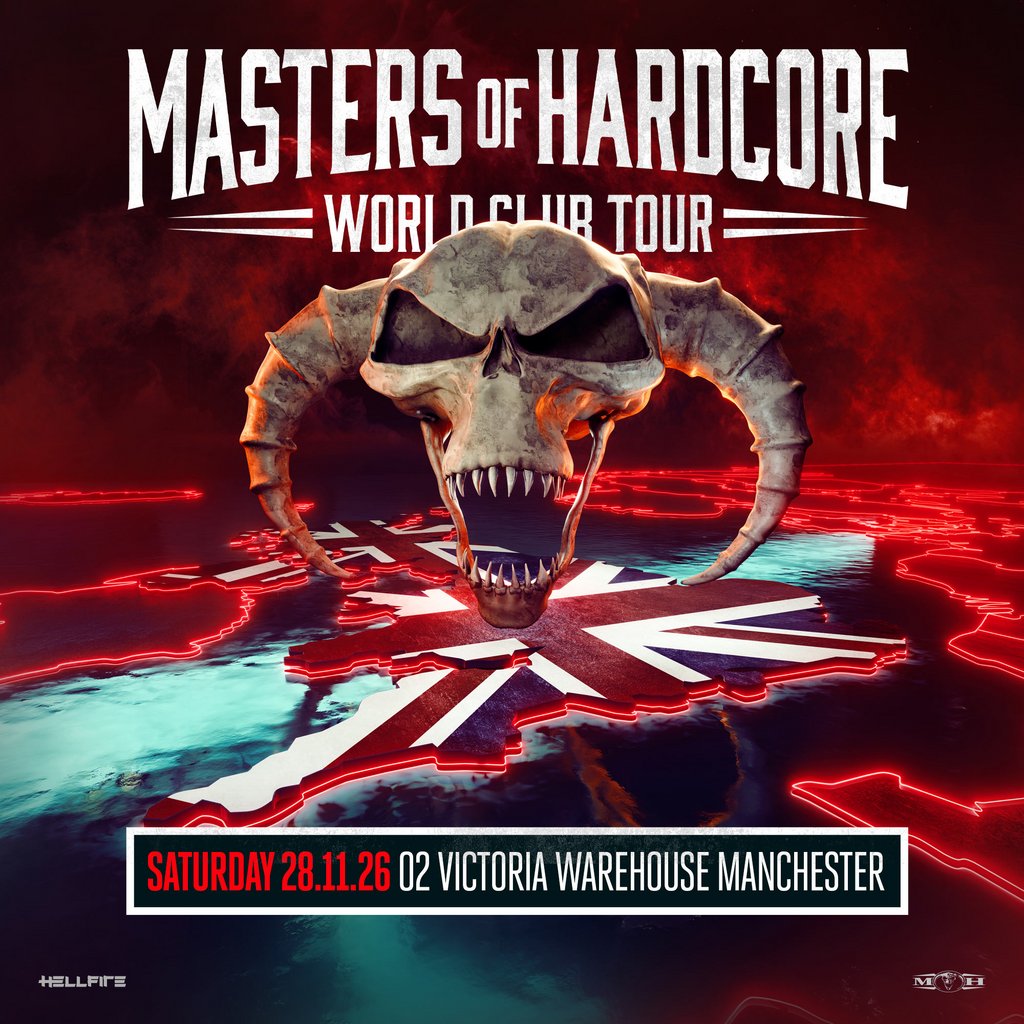 Sat28Nov
 Masters of Hardcore UK 2026
Happy Hardcore£36–£56

Think bright piano riffs, pitched-up vocals and a beat that never lets up. Happy Hardcore is typified by a very fast tempo, usually around 160–180 BPM, often coupled with solo vocals and sentimental lyrics. Its characteristically 4/4 beat… Read our guide to Happy Hardcore ↓
6 events found
Sat28Nov 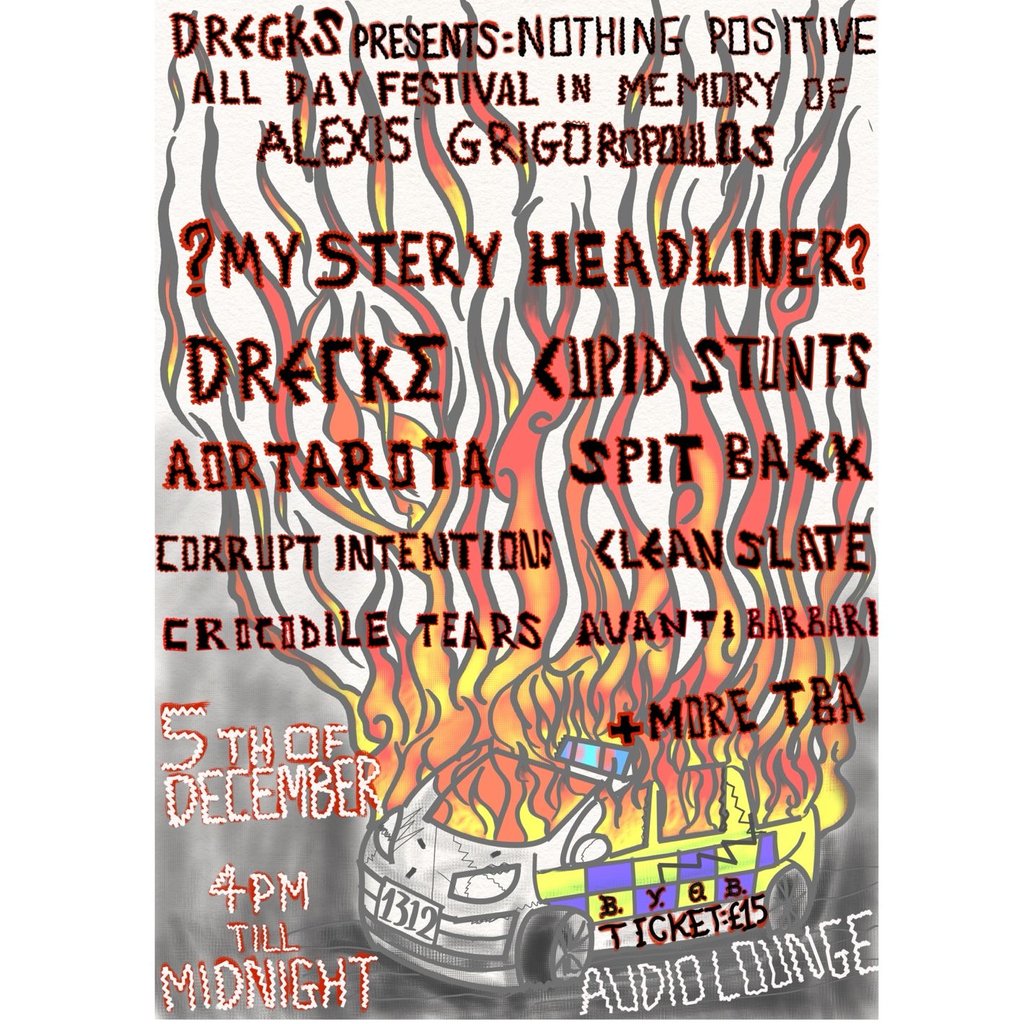 Sat5Dec
 Sat5Dec
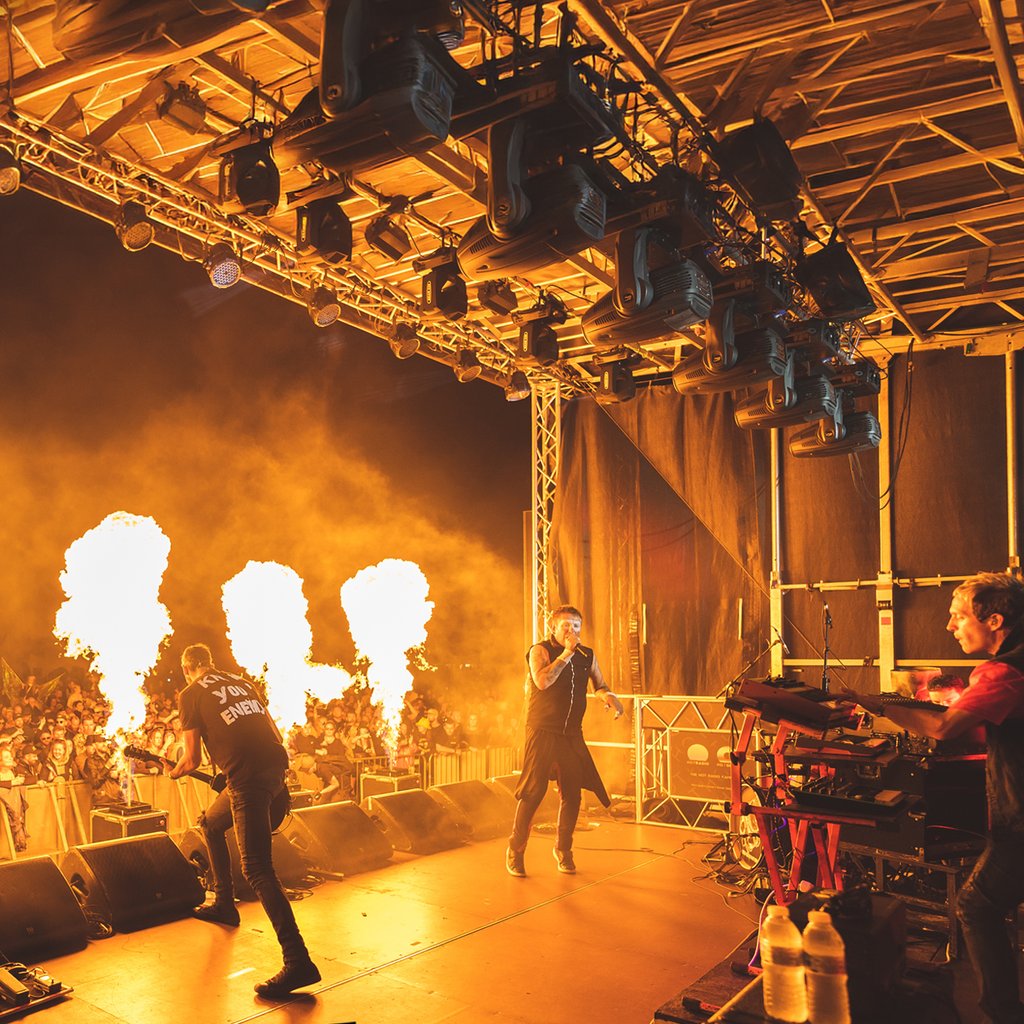 Fri19Mar
 Fri18Jun
 Thu2Sep
Festival tickets go up in stages, so the sooner you book, the less you pay.
Sat5Dec Fri18Jun Thu2Sep Think bright piano riffs, pitched-up vocals and a beat that never lets up. Happy Hardcore is typified by a very fast tempo, usually around 160–180 BPM, often coupled with solo vocals and sentimental lyrics. Its characteristically 4/4 beat "happy" sound distinguishes it from most other forms of hardcore, which tend to be "darker", and it's typically in a major key. Earlier records kept breakbeats running under that kick drum, while the sound changed in the 1990s, with tracks increasingly losing their breakbeats towards a stomping distorted 909 4/4 kick drum pattern, with more original vocal leads and stab patterns. It's dance music built for grinning, arms-in-the-air moments rather than moody basement sessions.
The sound grew out of Britain's early-90s rave scene. As rave came of age, it fragmented into various specific sounds; one set cranked up hardcore's tone and tempo to new levels, birthing happy hardcore. It was forged away from the big cities, in the mid-90s suburban humdrum of areas like Essex, Northampton and the north and south coasts. A pivotal moment came at the 1993 New Year's Eve rave at Dreamscape, where DJ Dougal built on the propulsive kick drums that Slipmatt had brought to the hardcore genre. From there, Dreamscape, Helter Skelter, and Fusion were among the raves where the music was played.
London's pirate airwaves helped spread it further: the sound was championed by the pirate radio station Dream FM, as well as later supported by Eruption FM. The genre grew in the 1990s thanks to the London pirate radio station Dream FM and the Bonkers compilations, which highlighted trending DJs in the UK rave scene. Key names from that era include Slipmatt, DJ Vibes, DJ Seduction, DJ D