 Fri27Aug
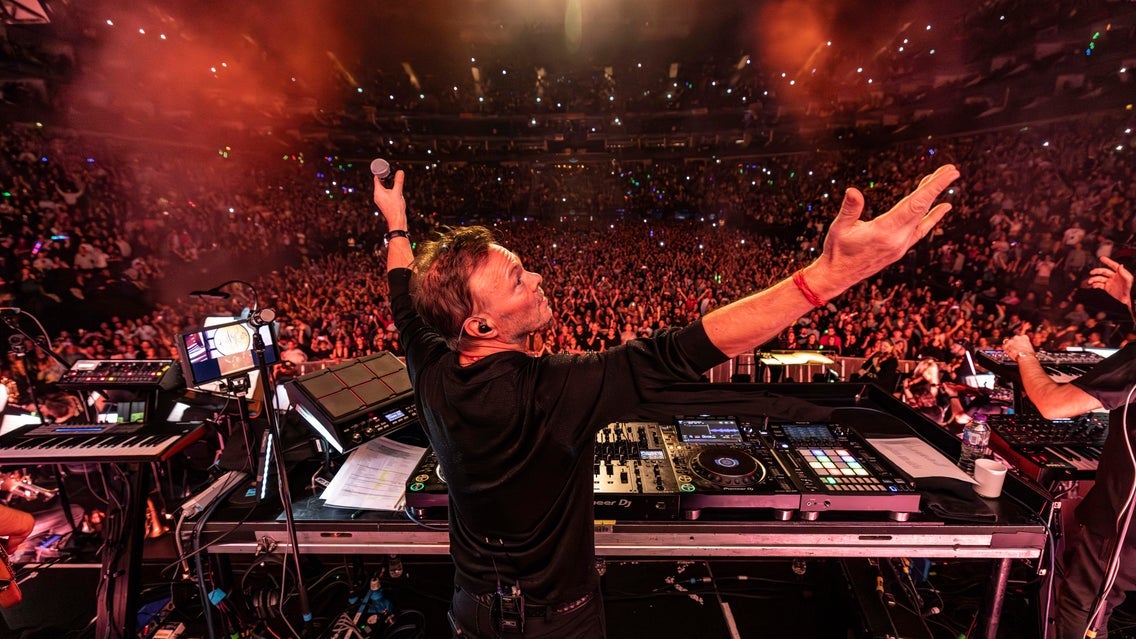
Pete Tong Ibiza Classics
Afrobeats · Electro

Afrobeats is best understood as an umbrella rather than one fixed style. It's less a style per se, and more a descriptor for the fusion of sounds flowing out of Nigeria and Ghana, pulling in genres such as… Read our guide to Afrobeats ↓
567 events found
Fri27Aug Fri27Aug  Sat28Aug
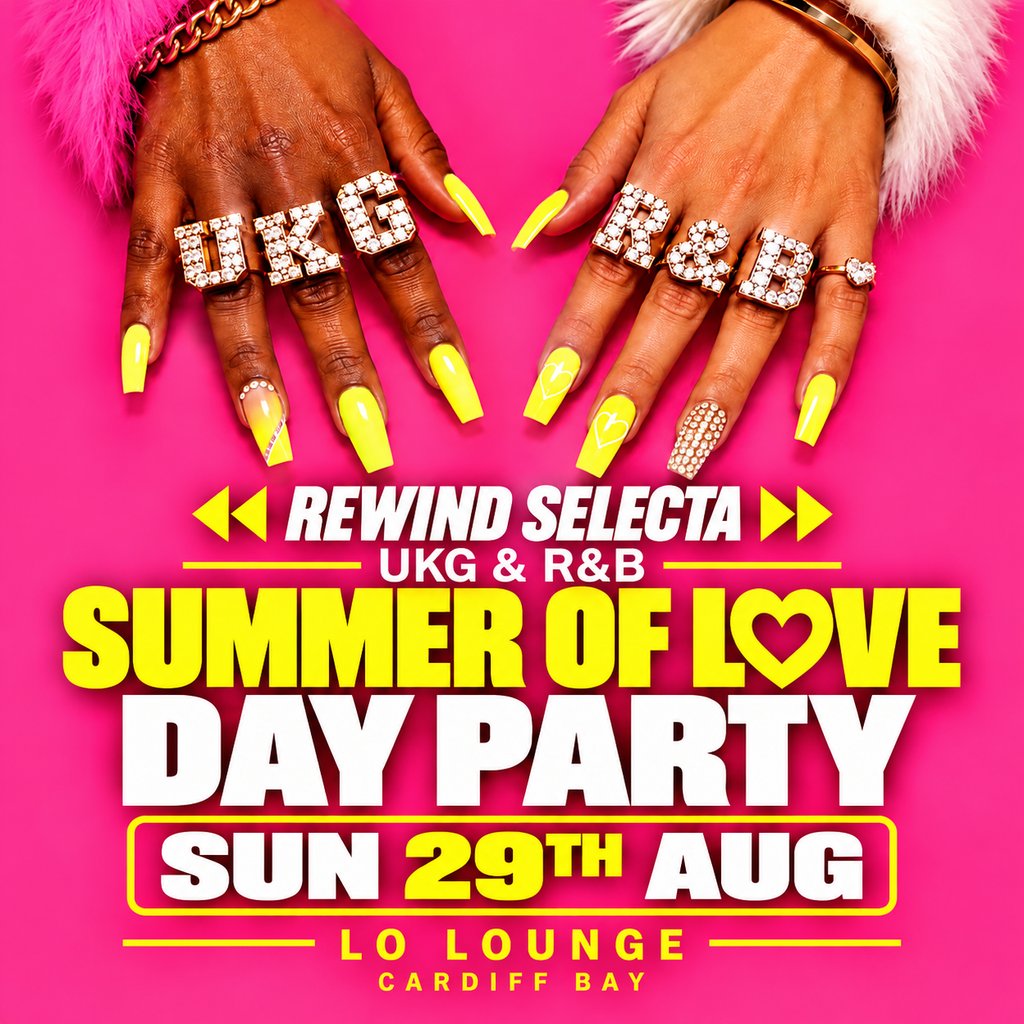 Sun29Aug Sun29Aug Sun29Aug
 Fri3Sep
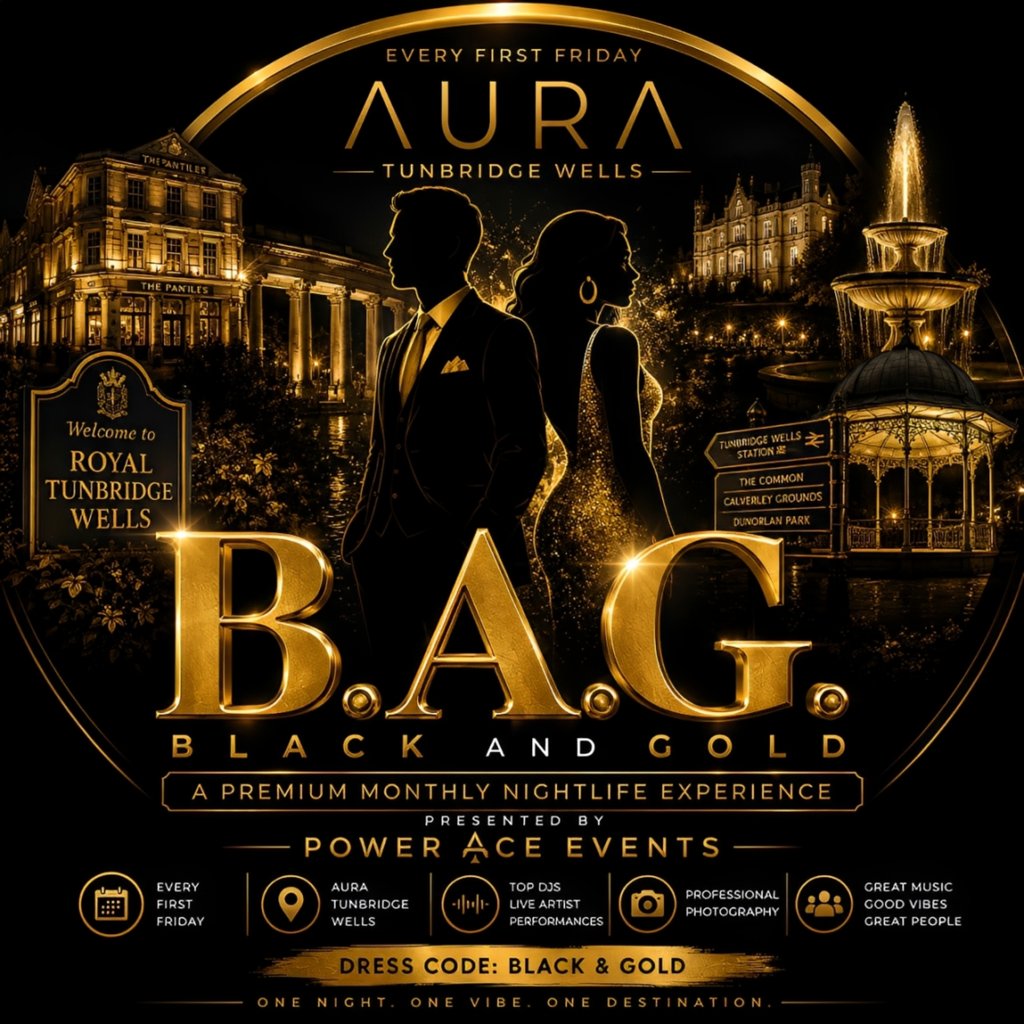 Fri3Sep
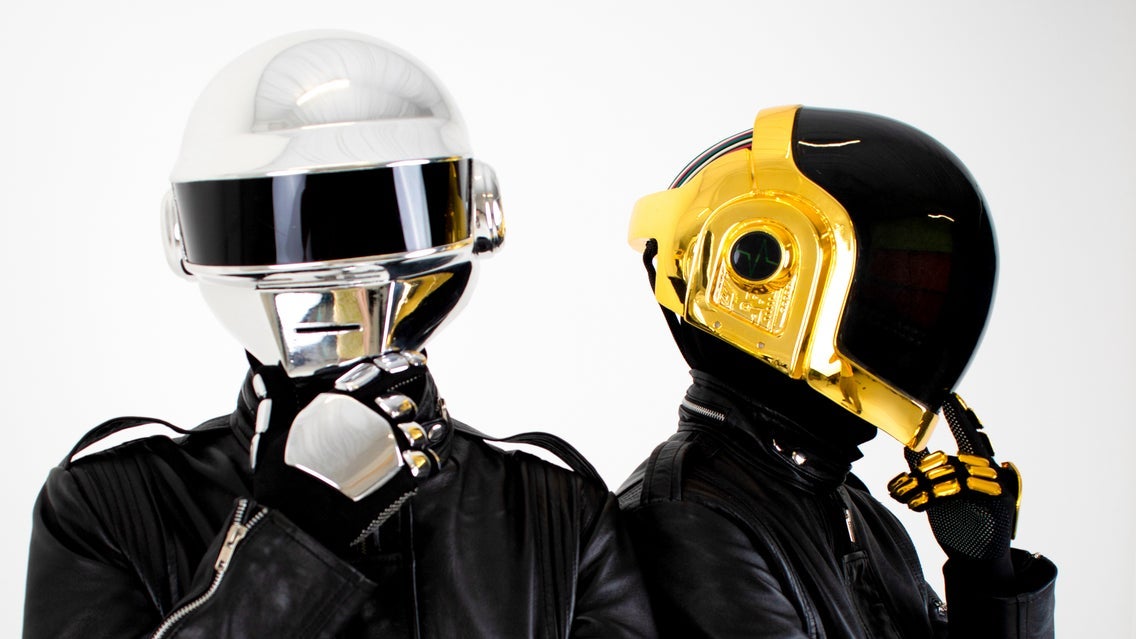 Sat11Sep Fri17Sep Sat18Sep
 Sat16Oct
 Tue19Oct
 Sat20Nov
 Tue7Dec
Festival tickets go up in stages, so the sooner you book, the less you pay.
 Sat10Jul
 Sat28Nov
 Sat5Dec
 Sat5Dec
 Fri11Dec
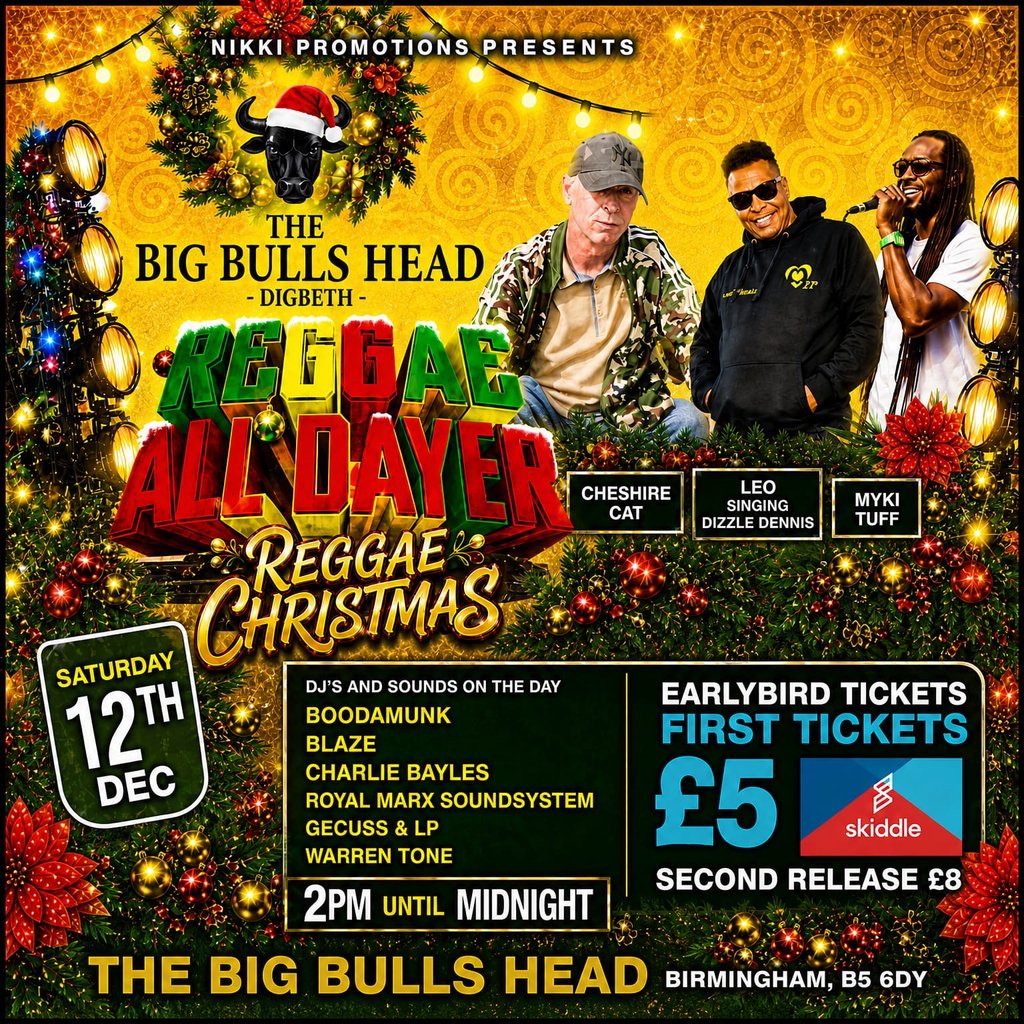 Sat12Dec
Afrobeats is best understood as an umbrella rather than one fixed style. It's less a style per se, and more a descriptor for the fusion of sounds flowing out of Nigeria and Ghana, pulling in genres such as hiplife, jùjú music, highlife, azonto music and Naija beats. What ties it together is the beat itself: the beat acts as a major character of the song, taking a lead role that is sometimes equal to or of greater importance than the lyrics. Tempo-wise, it blends elements of highlife, juju, dancehall, hip-hop and R&B into a percussion-driven, melodically rich sound that typically runs at 100-130 BPM, and the tempo feels moderate, faster than R&B but rarely frantic — which is exactly why it mixes so well with amapiano, bashment and hip hop across a club set.
The sound itself traces back further than the name. It was pioneered in the 1960s by Nigerian multi-instrumentalist and bandleader Fela Kuti, and that lineage runs through highlife, a Ghanaian genre that originated along the coastal cities of present-day Ghana in the 19th century, before Afrobeats initially developed in Nigeria, Ghana and the UK in the 2000s and 2010s.
The UK's role was never just absorbing the sound from abroad — it helped build it. London has deep roots here: Osibisa, one of the most influential bands in Ghana's history, was formed in 1960s London. In the 2000s, broadcasters and promoters turned a scene into a movement, with figures like Ayo Shonaiya and DJ Abass helping carve out distinctly African and Black diasporic music spaces through live events and media, including BEN TV's Intro Live. Radio cemented it: DJ Abrantee branded and launched the world's first ever "Afrobeats" show on UK radio on 11 April 2011, and later