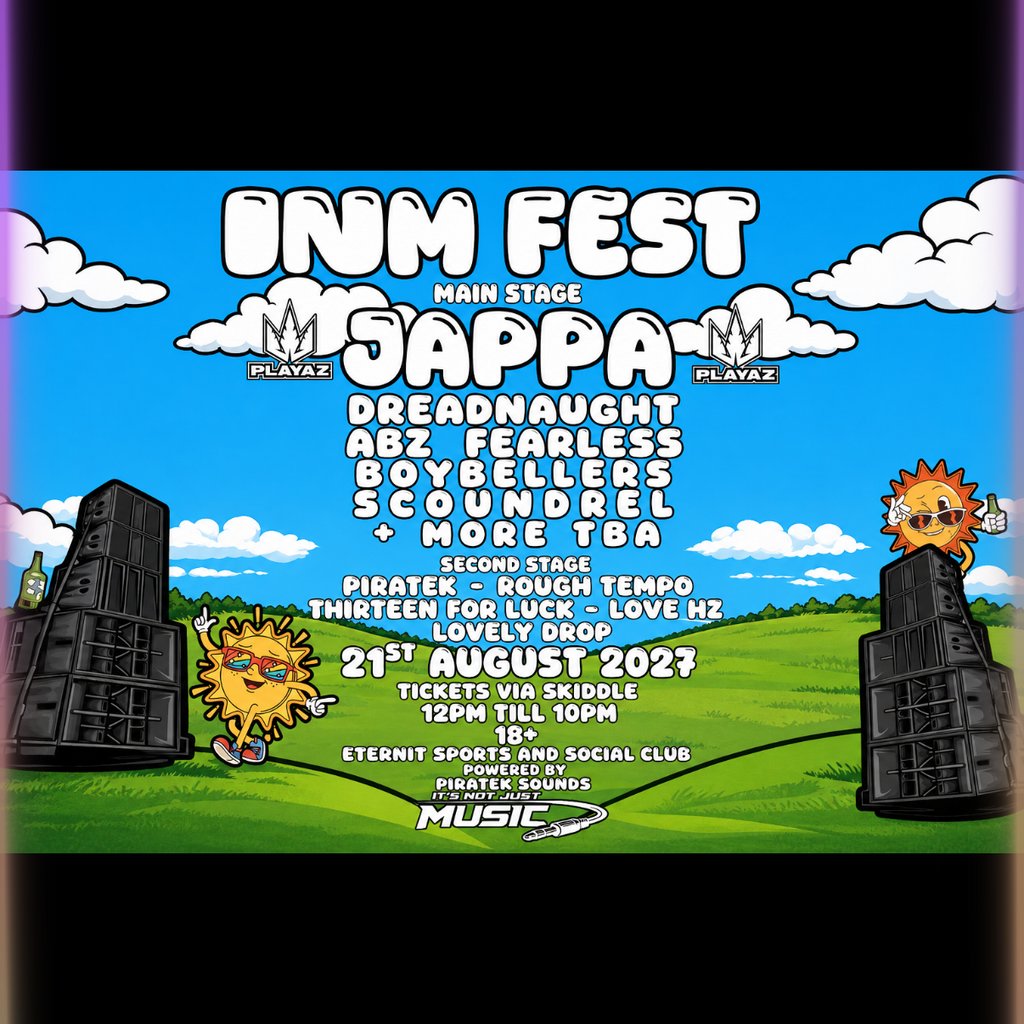
 Sat21Aug
INJM Fest
Drum & Bass · Hard DanceFree

Drum & Bass is built around two things: fast, chopped-up breakbeats and basslines you feel in your chest. It's characterised by fast breakbeats, typically 160–180 beats per minute, with heavy bass and sub-bass lines, sampled sources and synthesizers.… Read our guide to Drum & Bass ↓
513 events found
Sat21Aug  Thu26Aug
 Thu26Aug
 Sat4Sep
 Fri10Sep
 Fri17Sep
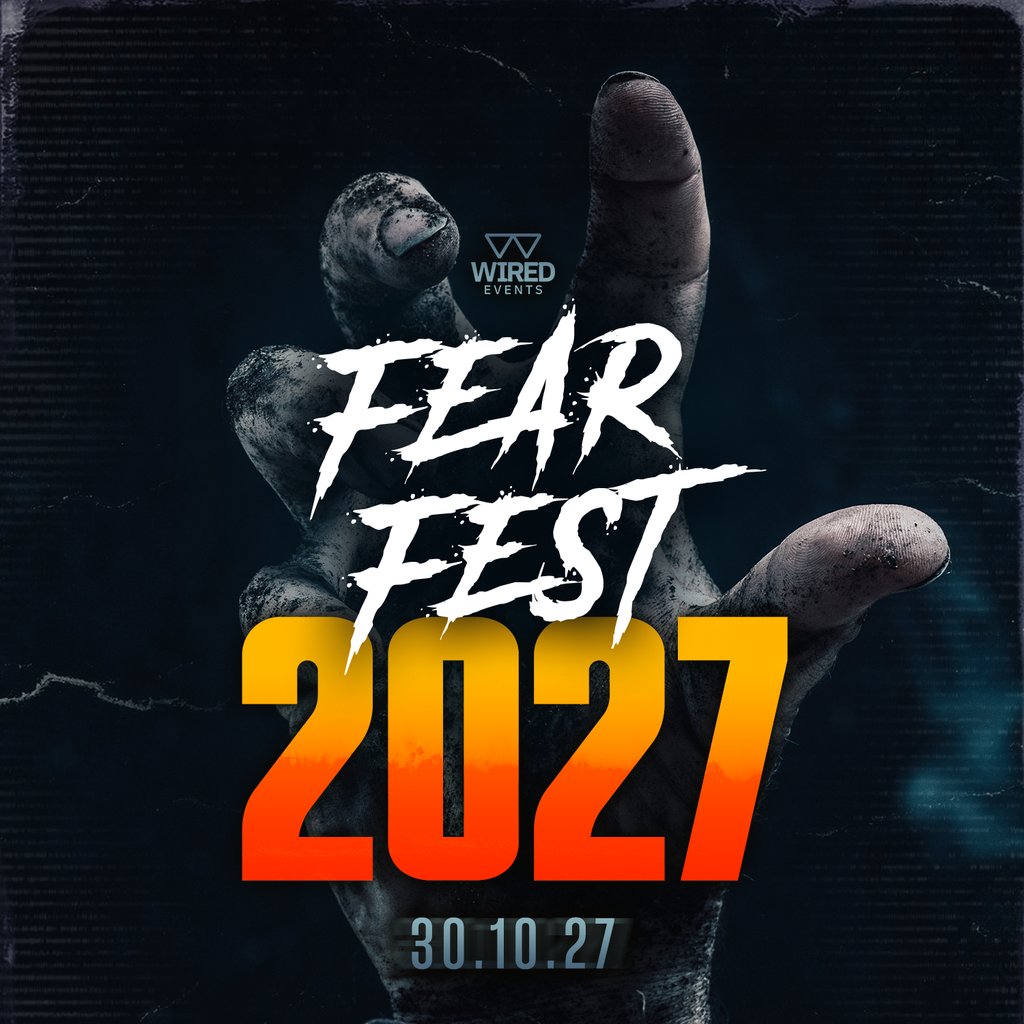 Sat30Oct
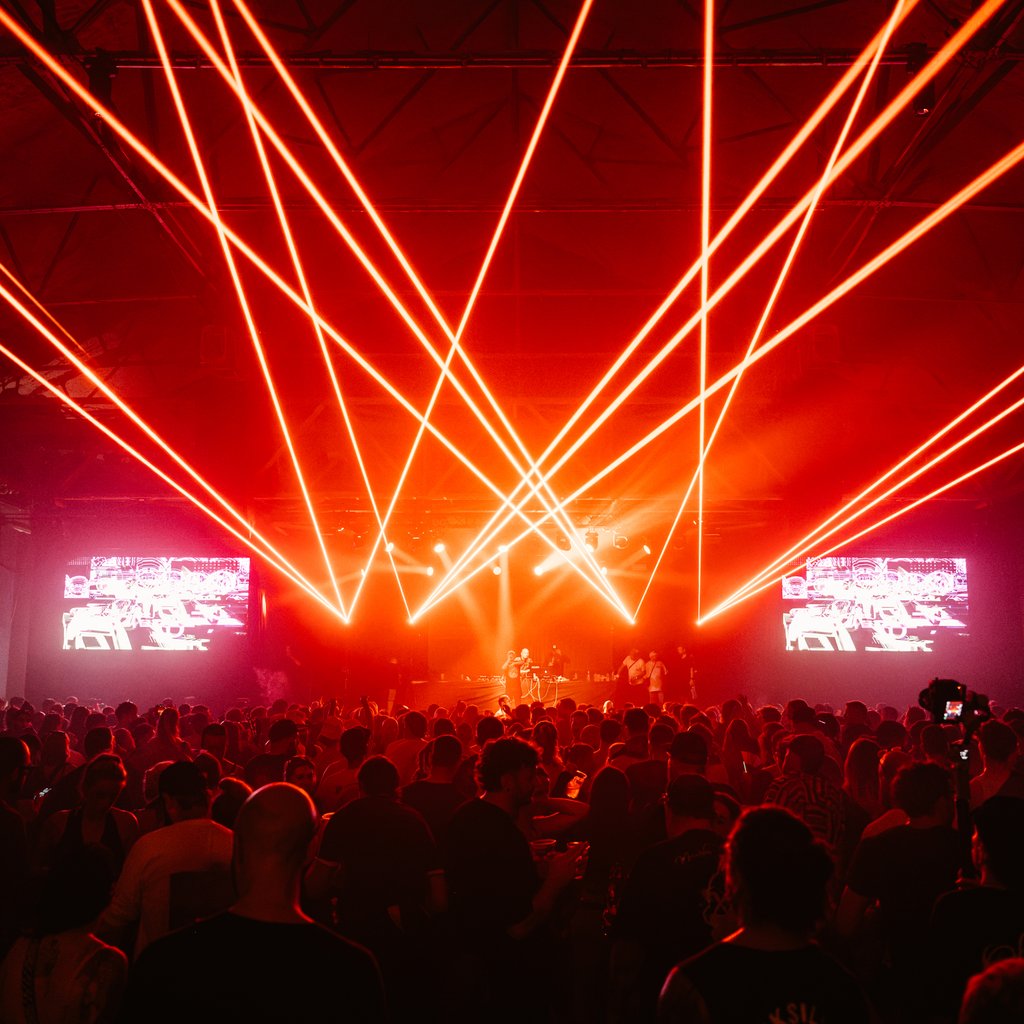 Sat6Nov
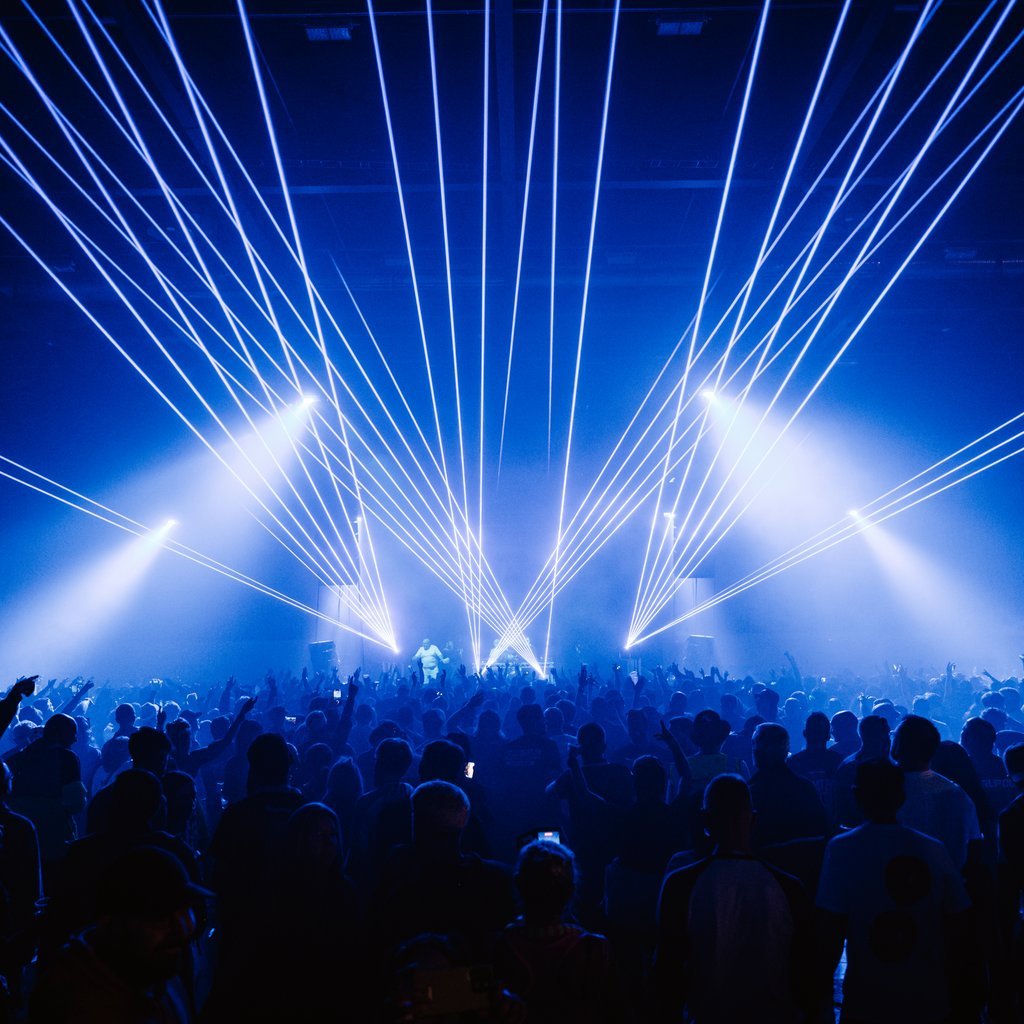 Sat6Nov
Festival tickets go up in stages, so the sooner you book, the less you pay.
 Fri6Aug
 Fri18Dec
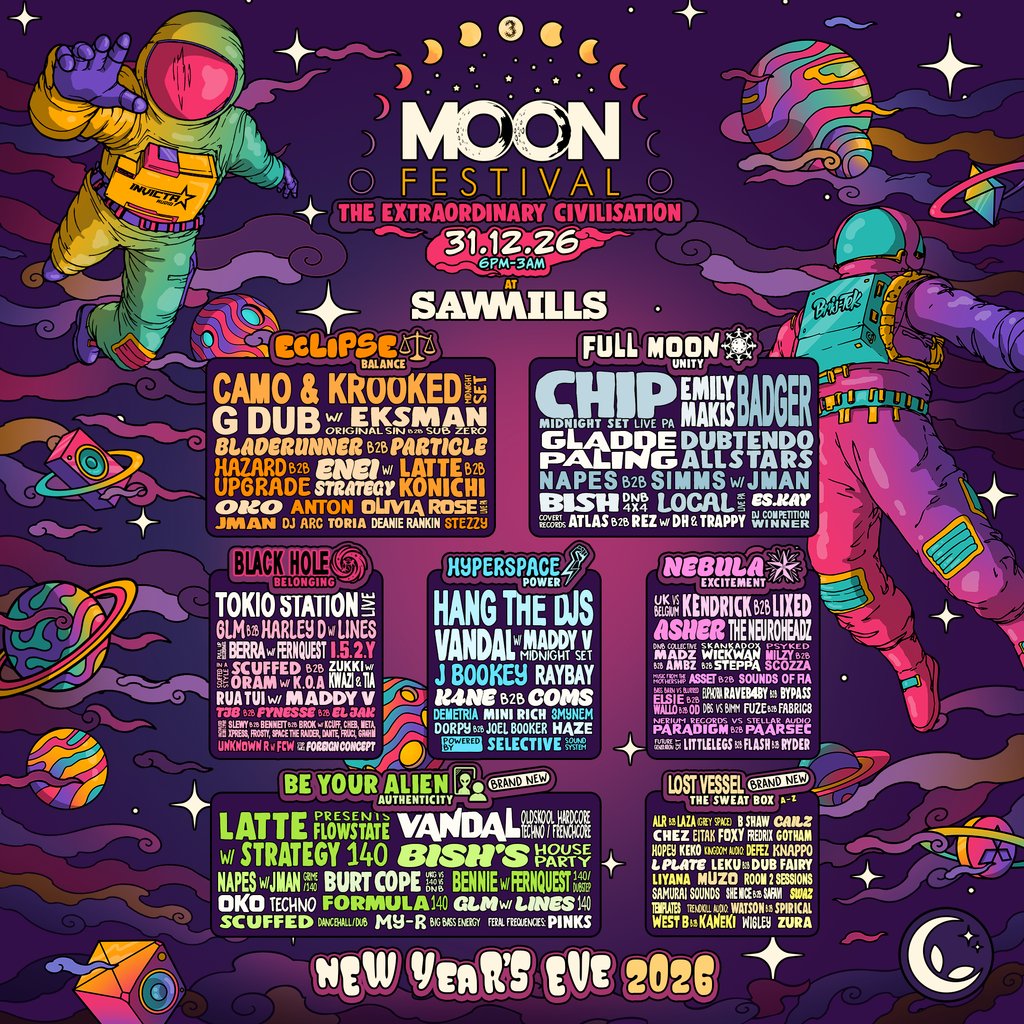 Thu31Dec
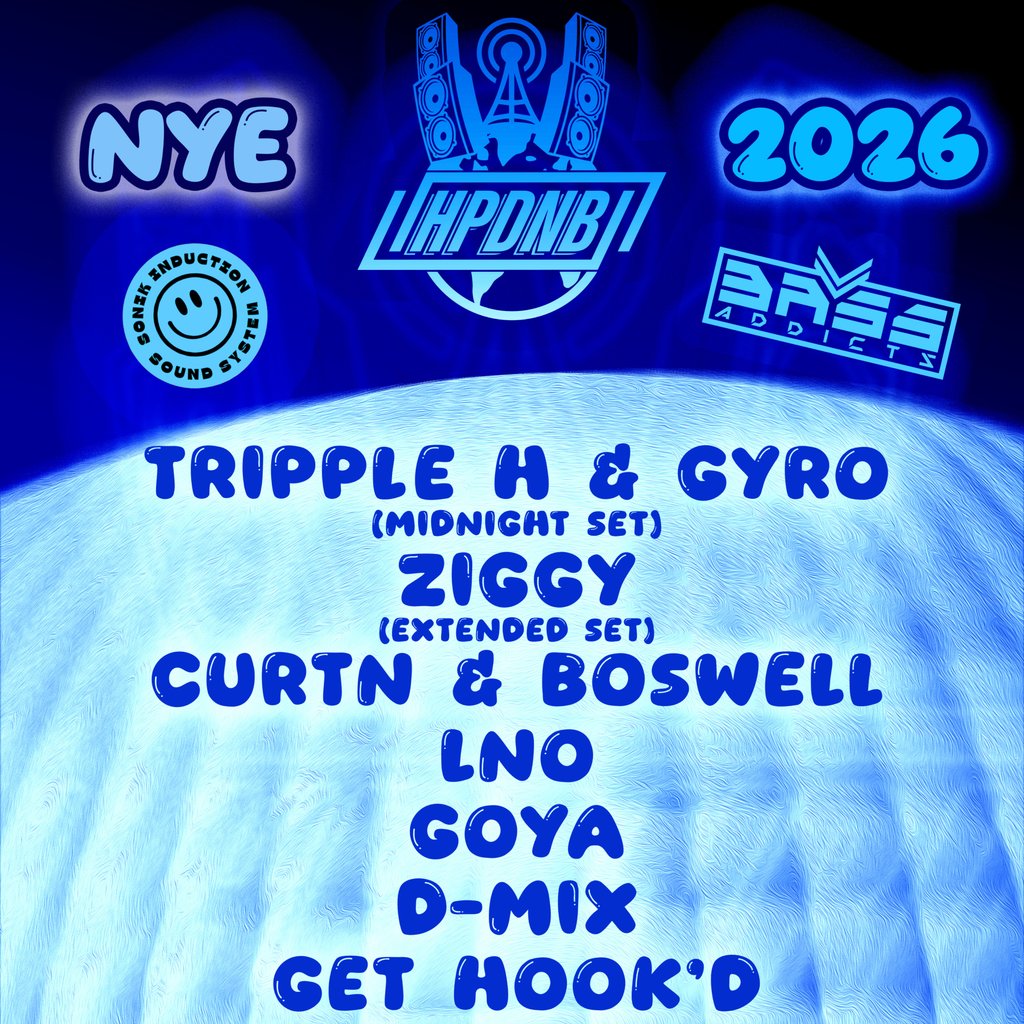 Thu31Dec
 Thu31Dec
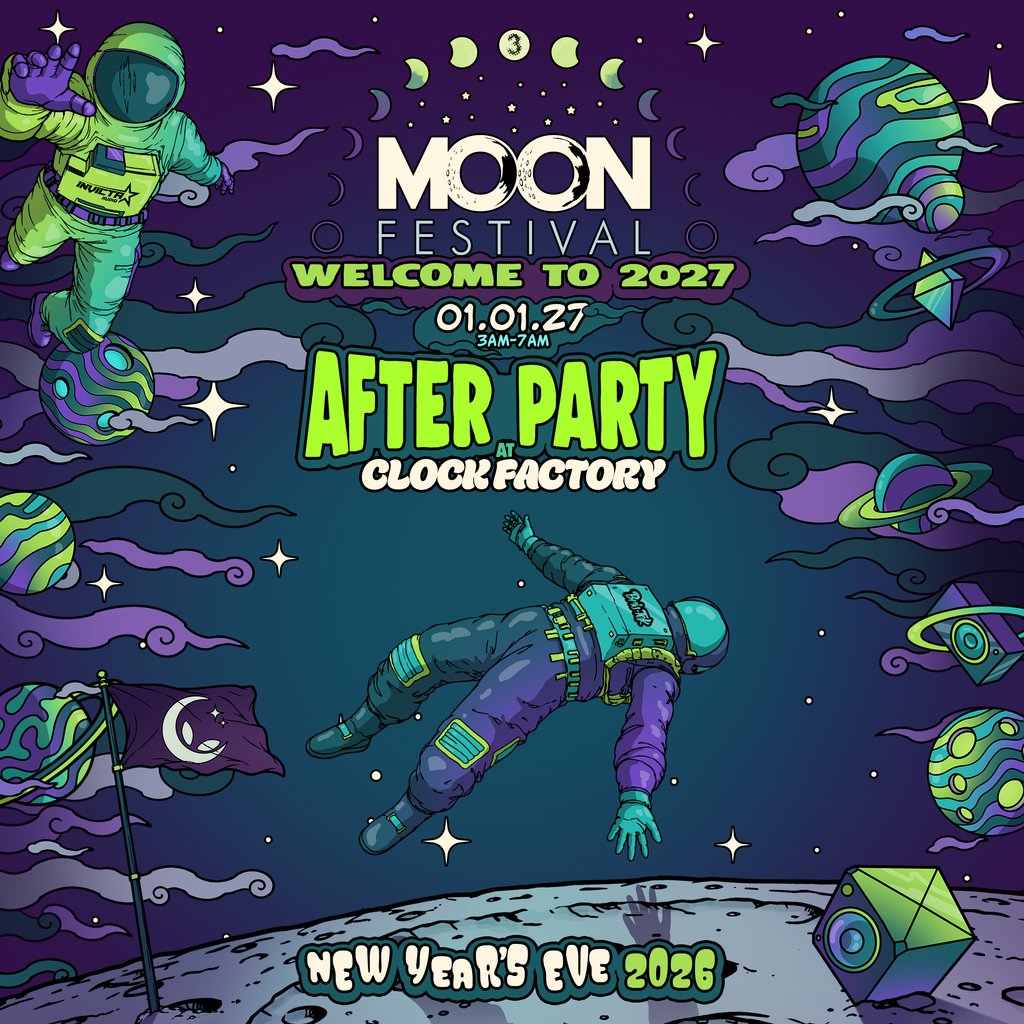 Fri1Jan
Drum & Bass is built around two things: fast, chopped-up breakbeats and basslines you feel in your chest. It's characterised by fast breakbeats, typically 160–180 beats per minute, with heavy bass and sub-bass lines, sampled sources and synthesizers. Most tracks you'll hear in a club sit at a tempo of 170 to 180 BPM, with 174 BPM being the most common. Within that tempo there's real variety — liquid is melodic and soulful, jump up is bouncy and crowd-pleasing, neurofunk is darker and more mechanical, and the current jungle revival brings back ragga vocals and chopped breaks. A good night will usually move between several of these moods rather than sticking to one.
Drum and bass originated in Britain in the early 1990s, merging sound system culture with breakbeat hardcore, rave and techno, growing directly out of jungle. London was central from the start: pirate stations like Kool FM and legal clubs drove the narrative, and Hoxton's Blue Note became a focal point, with Sunday nights home to Metalheadz, the label and family led by Goldie, where Doc Scott, Fabio & Grooverider, Randall and DJ Storm redefined what electronic music could be.
Bristol built its own strand of the sound. Producers around Full Cycle Records, alongside the related Dope Dragon imprint, had established themselves by the early 1990s and quickly became synonymous with the Bristol sound — rolling breakbeats, deep bass, unusual percussion and a strong connection to reggae and hip hop. That crew, including Roni Size, Krust and DJ Die, formed Reprazent, whose jazz-rooted debut LP New Forms won them the Mercury Prize in 1997