 Fri11Dec
Low: Caspa, Joker, Plastician & Harpriya
Dubstep · Grime£10–£15

Dubstep runs at a deceptive tempo. It's typically produced at 138-142 BPM, with a typical midpoint of 140 BPM, but it feels slower than that because listeners follow its half-time backbeat rather than every grid beat, with snare… Read our guide to Dubstep ↓
58 events found
Fri11Dec 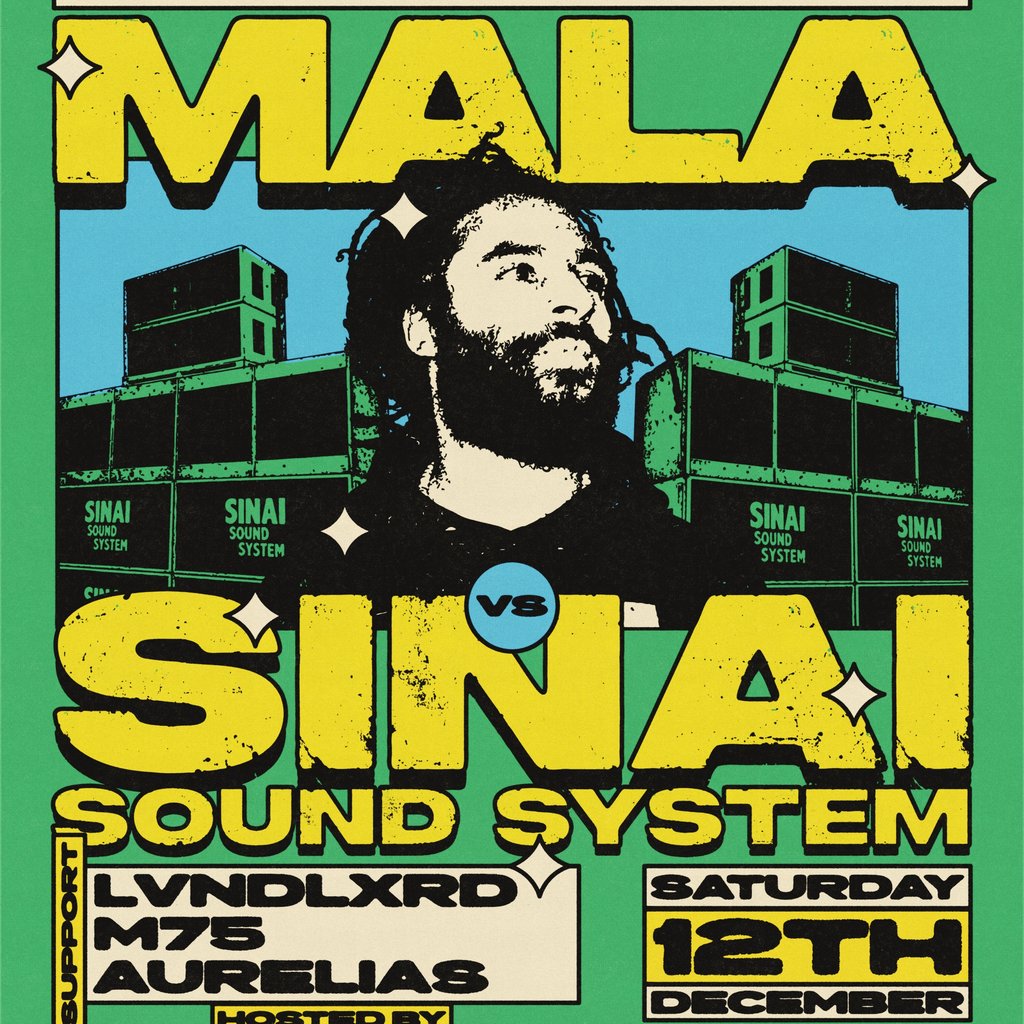 Sat12Dec
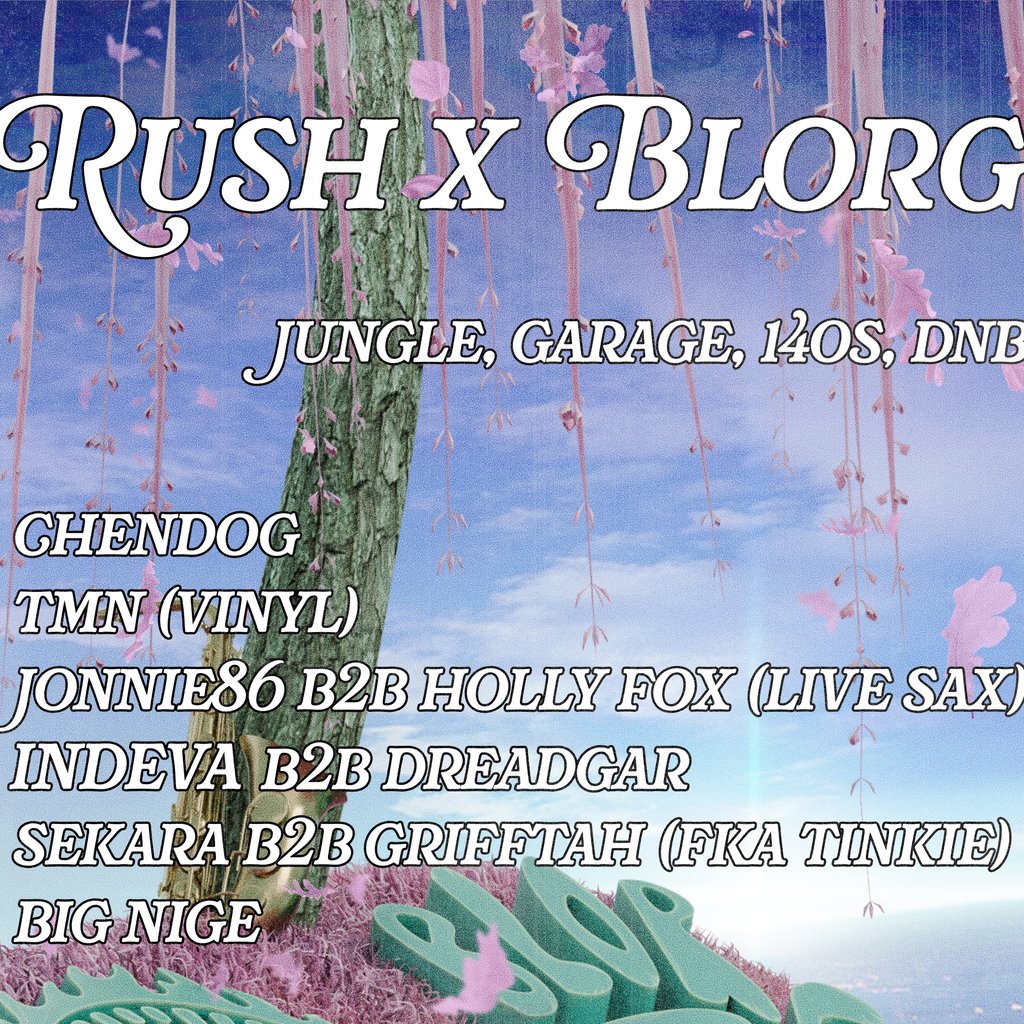 Sat12Dec
 Sat12Dec
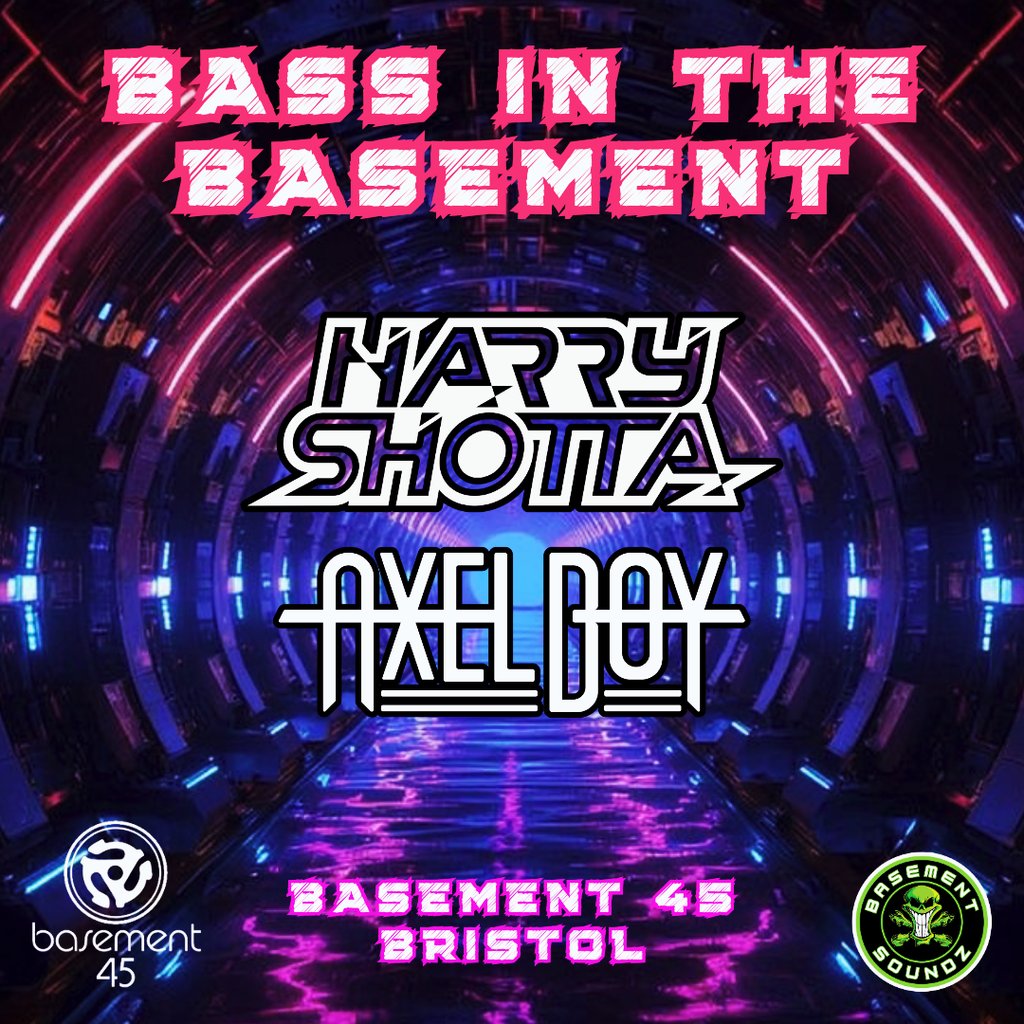 Sat12Dec
 Sat12Dec
 Fri18Dec
 Sat19Dec
 Sat19Dec
 Sat19Dec
 Sat26Dec
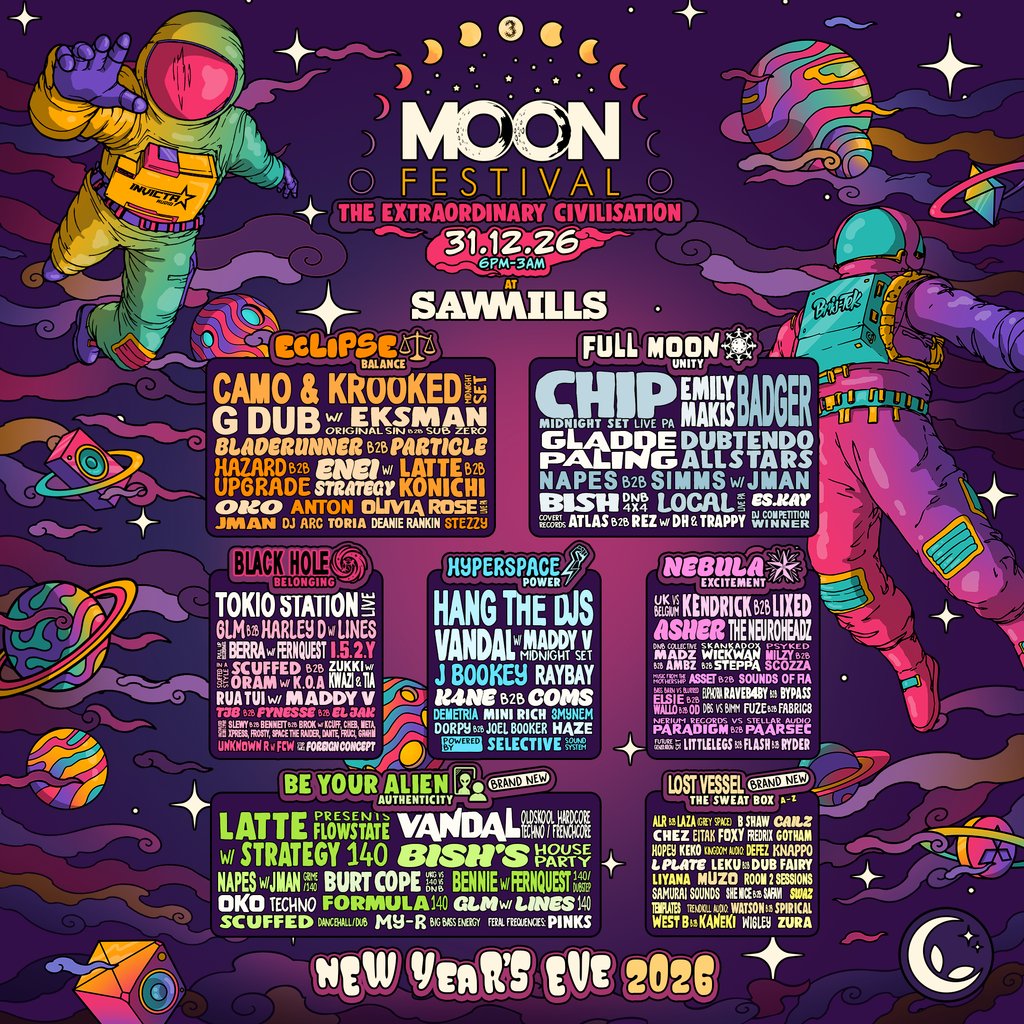 Thu31Dec
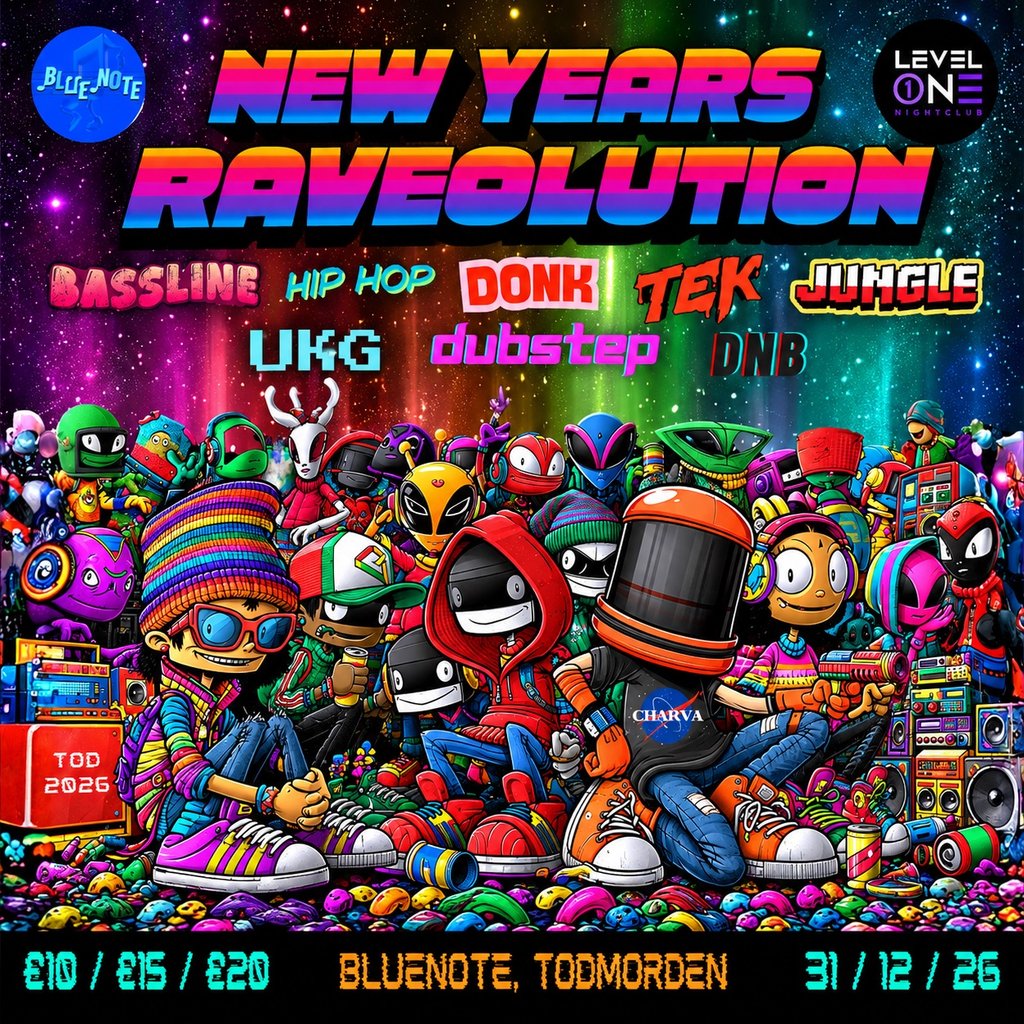 Thu31Dec
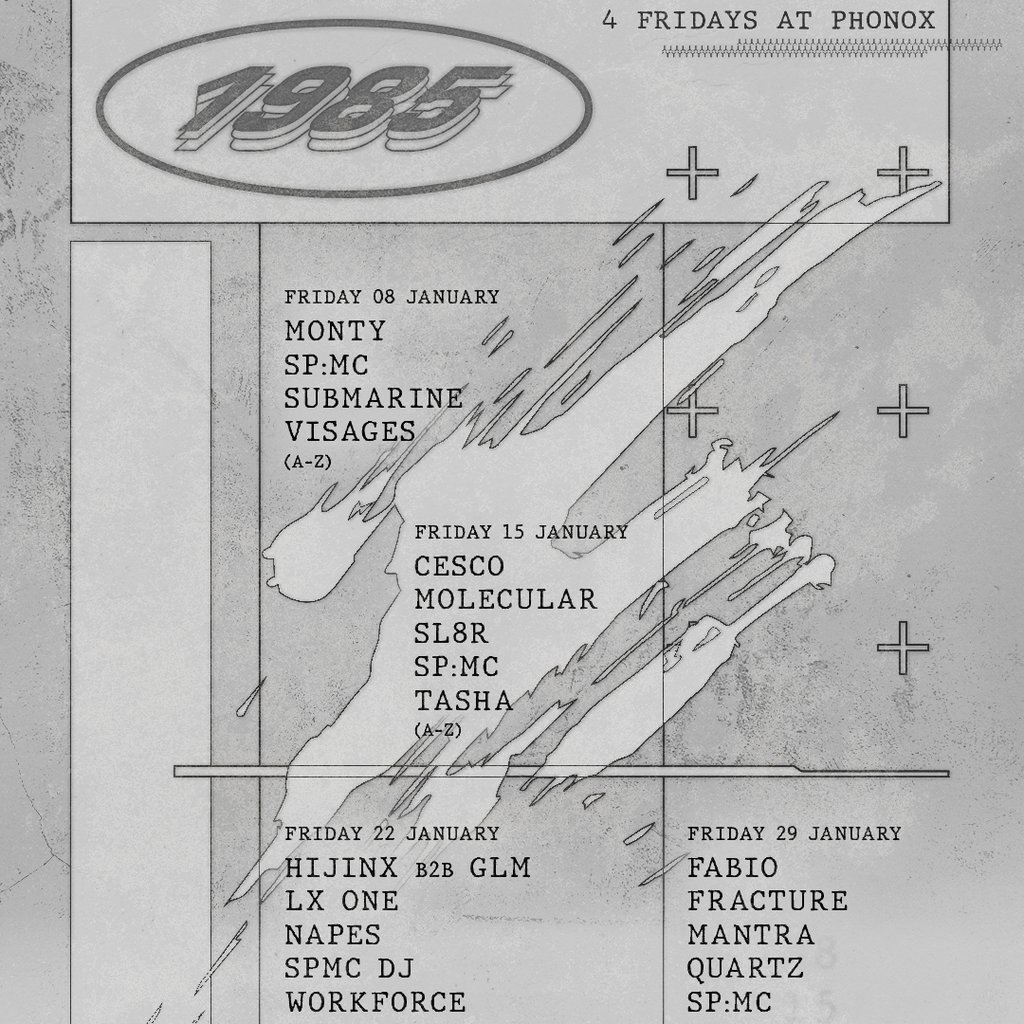 Fri8Jan
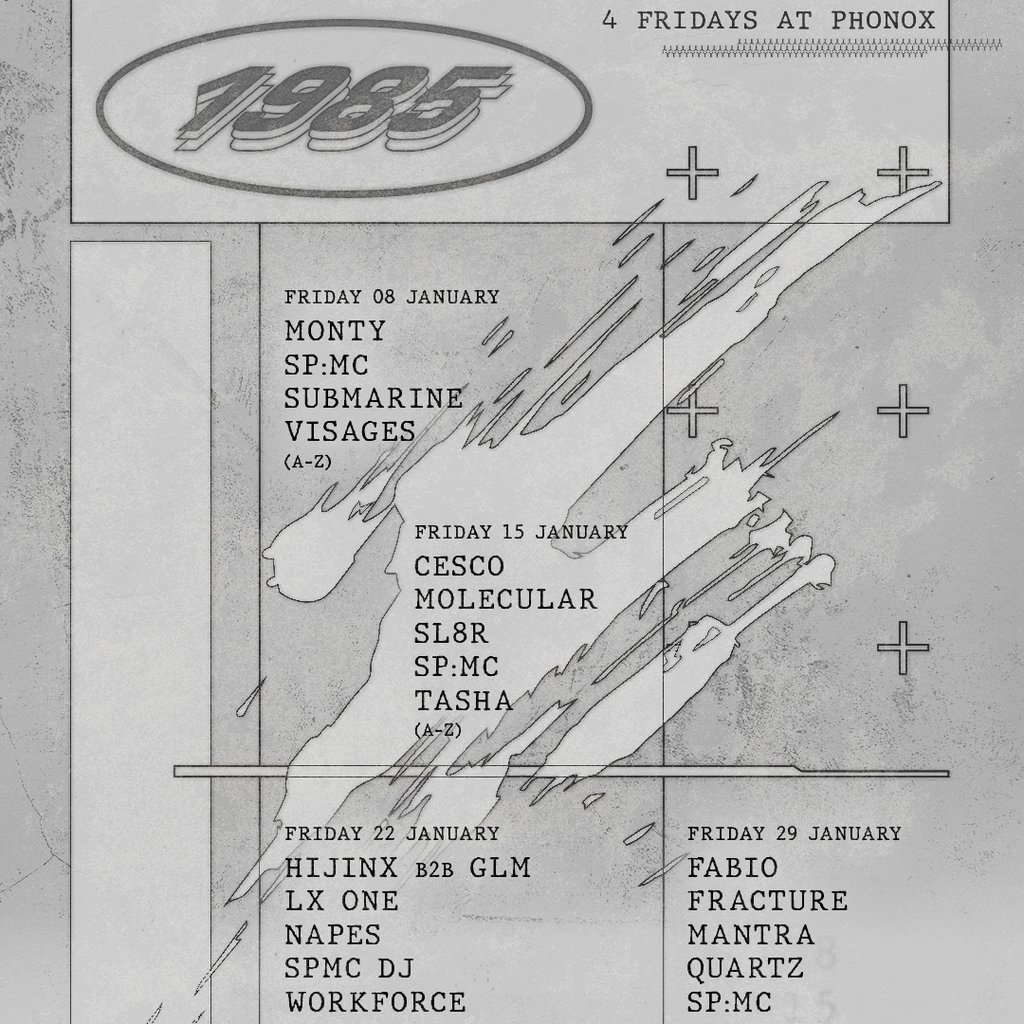 Fri15Jan
 Sat16Jan
 Fri22Jan
 Fri22Jan
 Fri22Jan
 Sat23Jan
 Fri29Jan
 Sat30Jan
 Fri5Feb
 Fri5Feb
Festival tickets go up in stages, so the sooner you book, the less you pay.
Thu31Dec  Sat8May
 Fri28May
 Thu17Jun
 Fri16Jul
Dubstep runs at a deceptive tempo. It's typically produced at 138-142 BPM, with a typical midpoint of 140 BPM, but it feels slower than that because listeners follow its half-time backbeat rather than every grid beat, with snare placement and sparse kicks creating something closer to a 70 BPM pulse. The hallmark is enormous sub-bass, a sparse half-time groove, and a dark, dub-soaked sense of space, with sub-bass tones at the lowest audible frequencies, occasionally going as low as 20 Hertz, which require special speaker systems to convey the rumbling sound properly. That's why a decent rig matters so much to this music - it's meant to be felt as much as heard.
The sound grew out of UK garage and 2-step in South London in the late 1990s and early 2000s, specifically around Croydon and Brixton, also drawing on Jamaican dub and reggae via Caribbean sound system culture. Croydon's Big Apple record shop was instrumental in its birth, and from 2001 the sound was promoted at London's Plastic People club at the "Forward" night, known as FWD>>, and on the pirate station Rinse FM, with the term "dubstep" picked up by labels like Big Apple and Tempa from 2002. In Brixton, Mala, Coki and Loefah started their own club night, DMZ, which became the spiritual home of dubstep, built on a return to analogue aesthetics - the reverential treatment of vinyl and one-off acetate dubplates cut for that night's rave. The turning point for wider recognition came when BBC Radio 1 DJ Mary Anne Hobbs launched her "Dubstep Warz" show in January 2006, featuring Mala, Skream, Loefah and others, which helped carry the sound well beyond London. Outside the capital, dubstep nights emulating DMZ and FWD>> began popping up around the country, with Bristol and Leeds becoming particular hotspots. Bristol built its own identity through Pinch's Tectonic label launching in May 2005 and a close