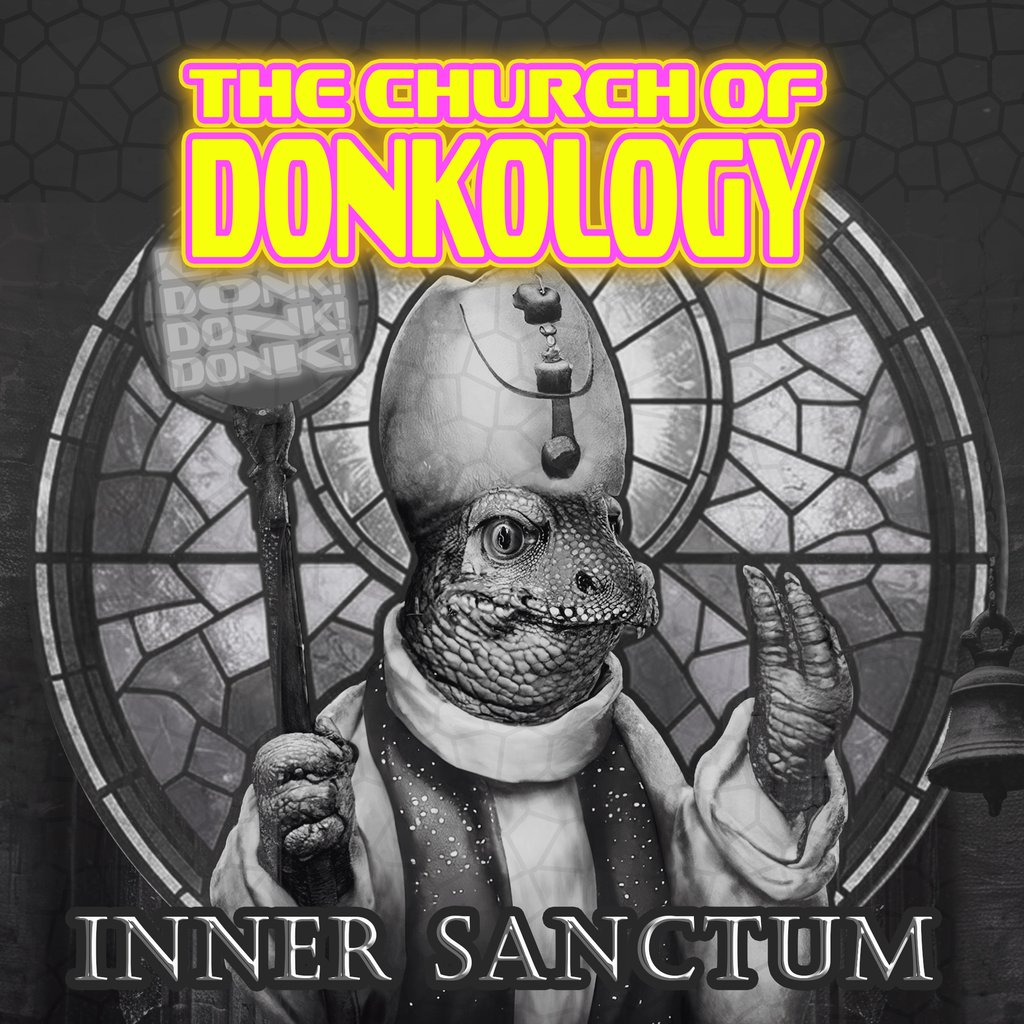
 Sat5Dec
Church of Donkology: Inner Sanctum
Donk · ElectroFree

Hard Dance is the catch-all name for a family of fast, hard-edged electronic styles that grew out of house and trance, including UK hard house, hard trance, hard NRG and hardstyle. As an umbrella term, it's used for… Read our guide to Hard Dance ↓
222 events found
Sat5Dec  Sat5Dec
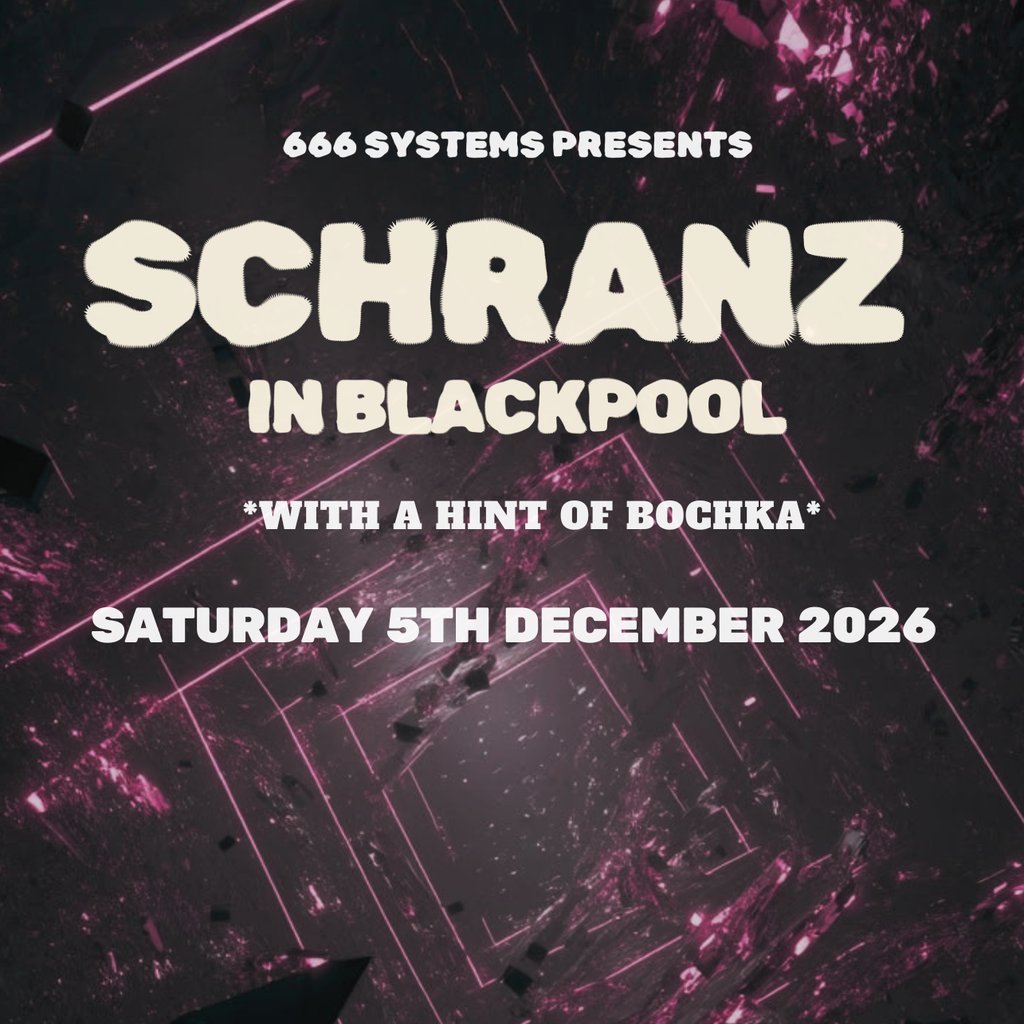 Sat5Dec
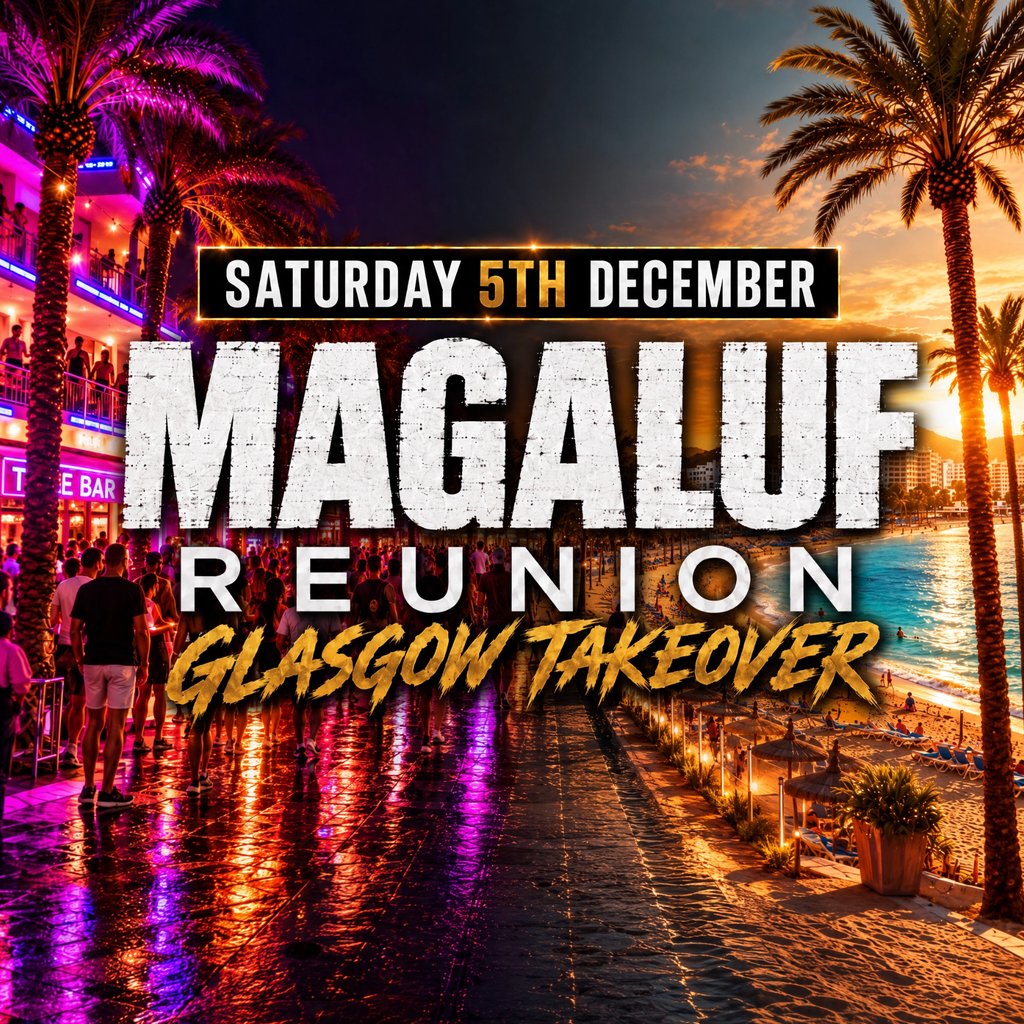 Sat5Dec
 Sat5Dec
 Sat5Dec
 Wed9Dec
 Fri11Dec
 Fri11Dec
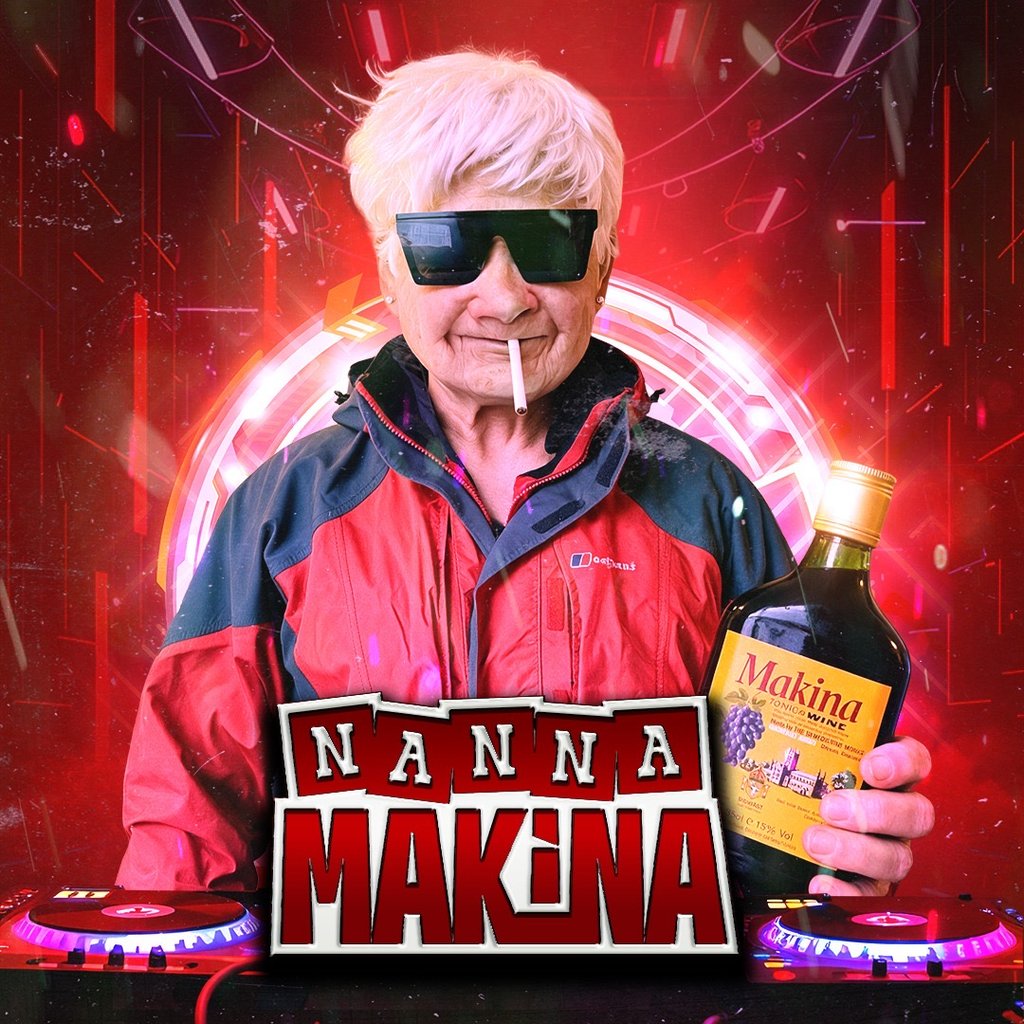 Fri11Dec
 Fri11Dec
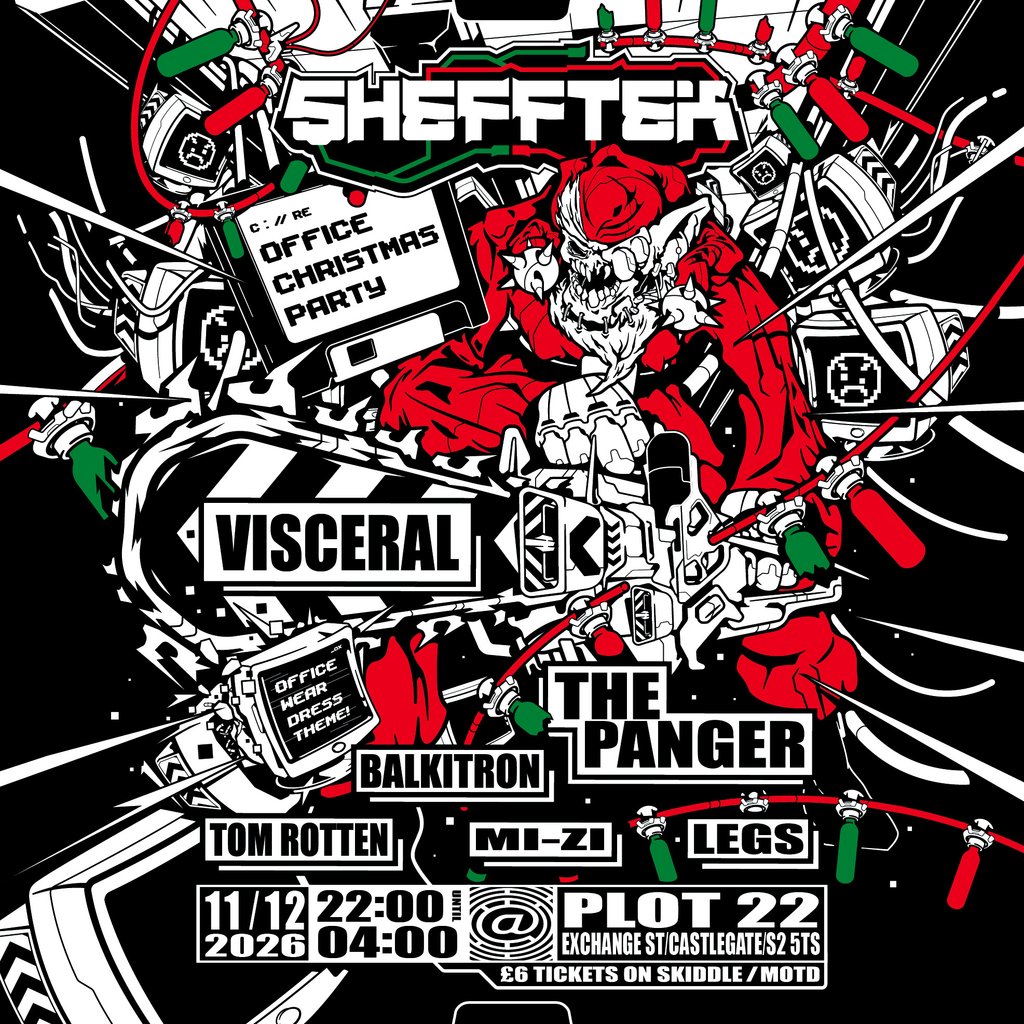 Fri11Dec
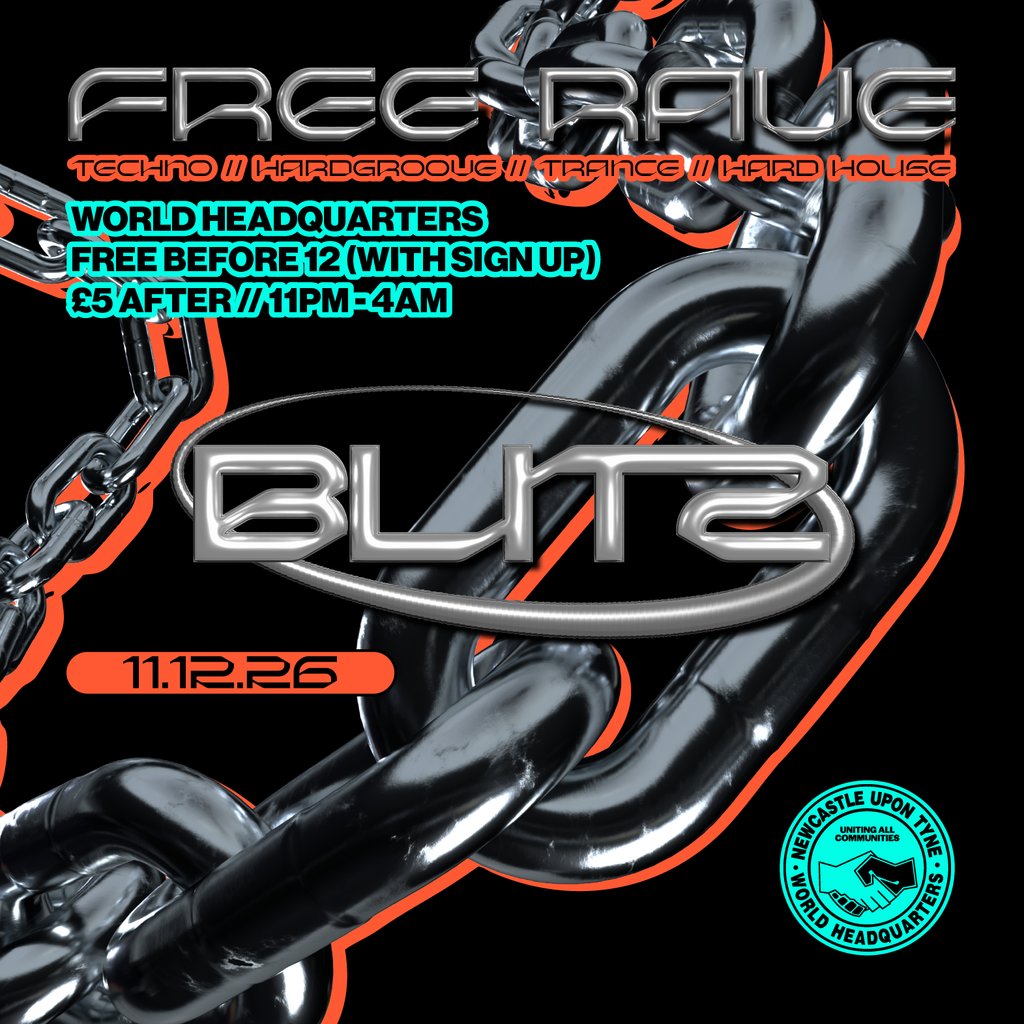 Fri11Dec
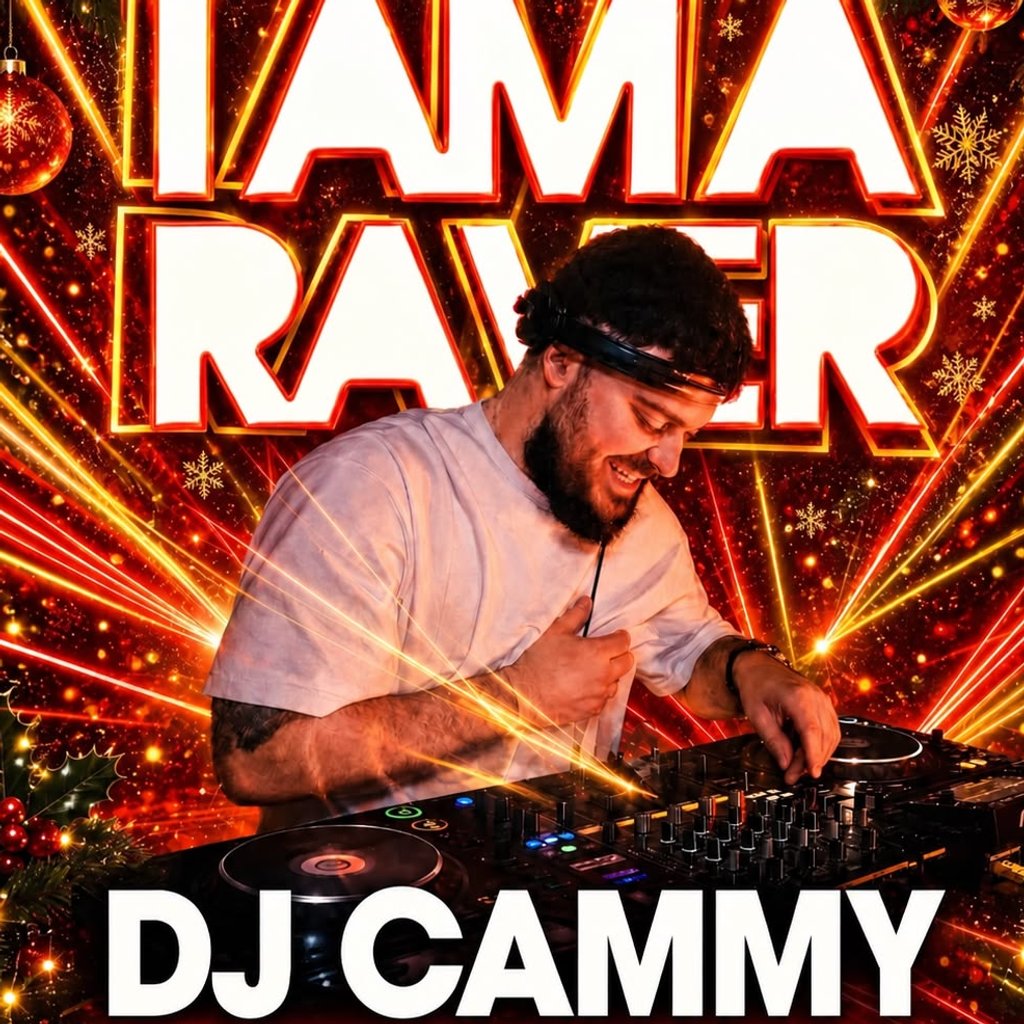 Sat12Dec
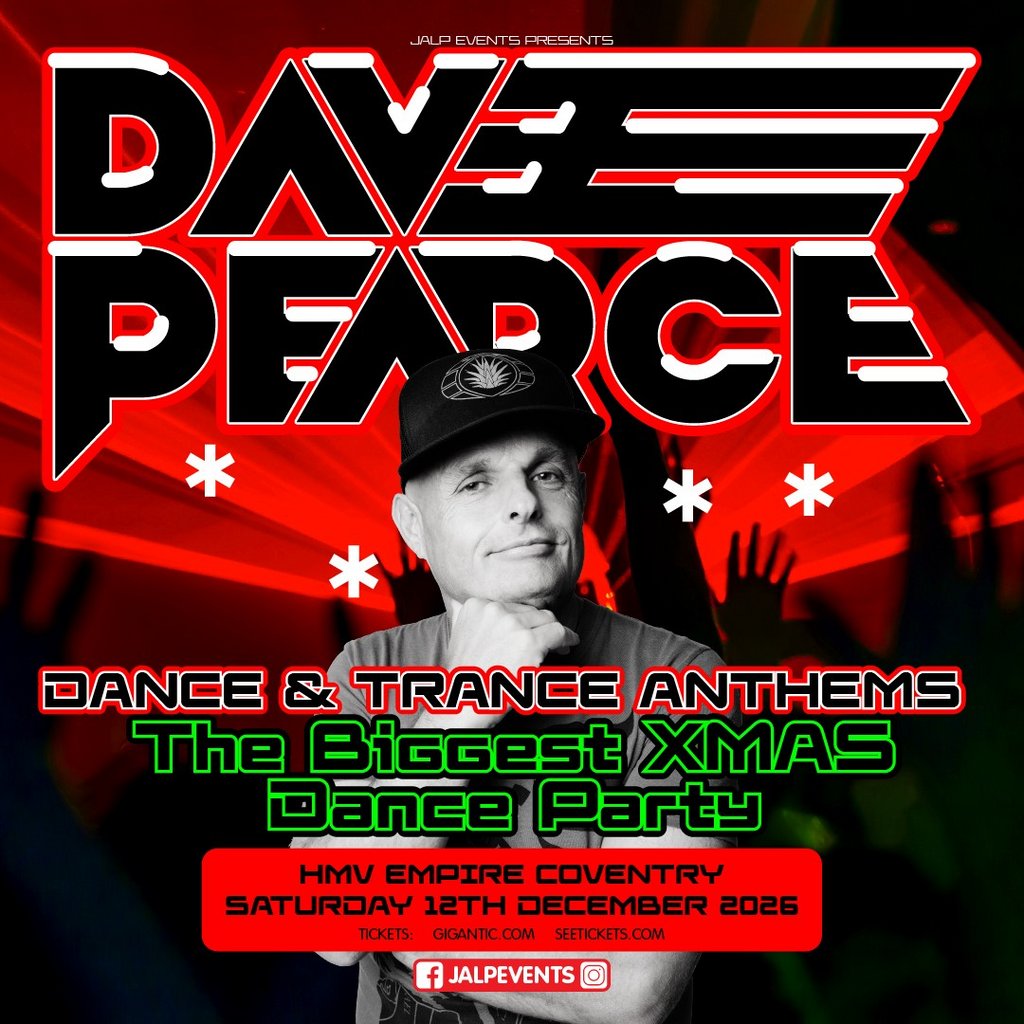 Sat12Dec
 Sat12Dec
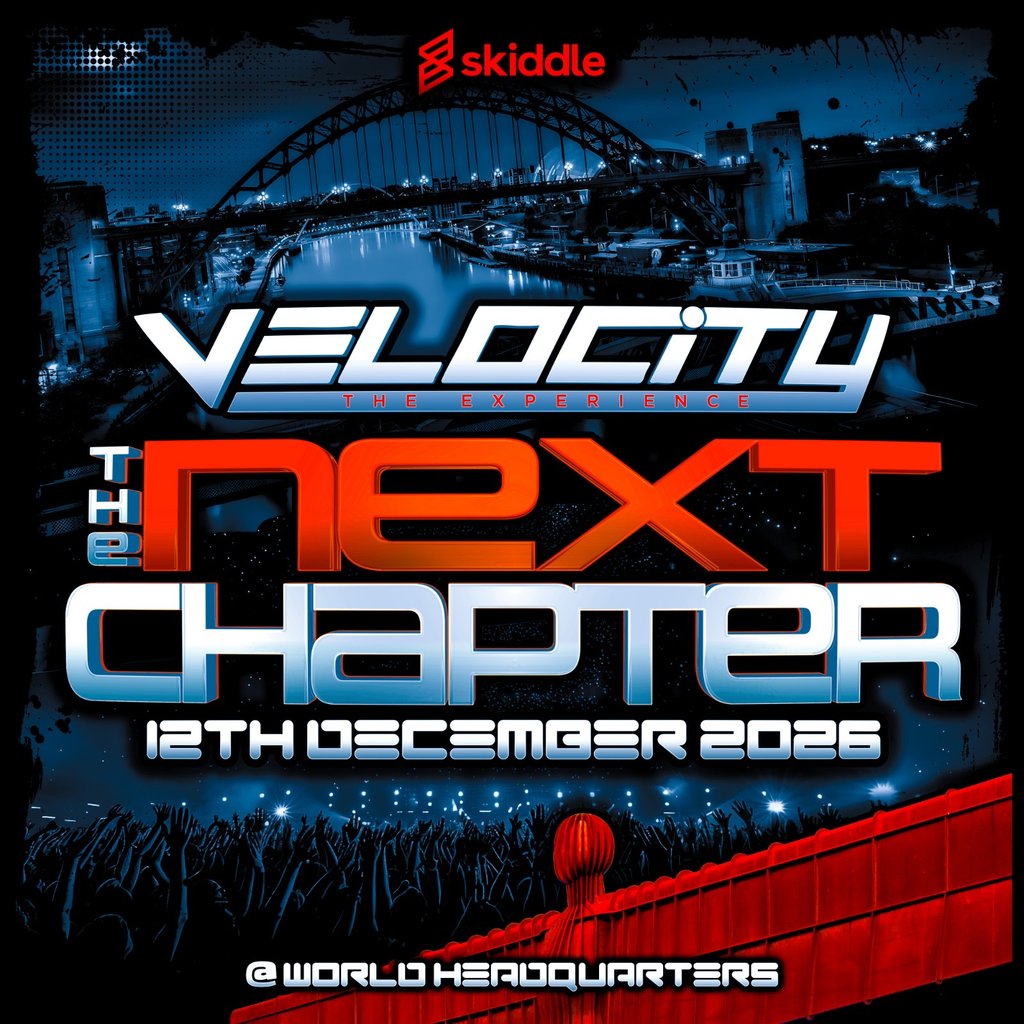 Sat12Dec
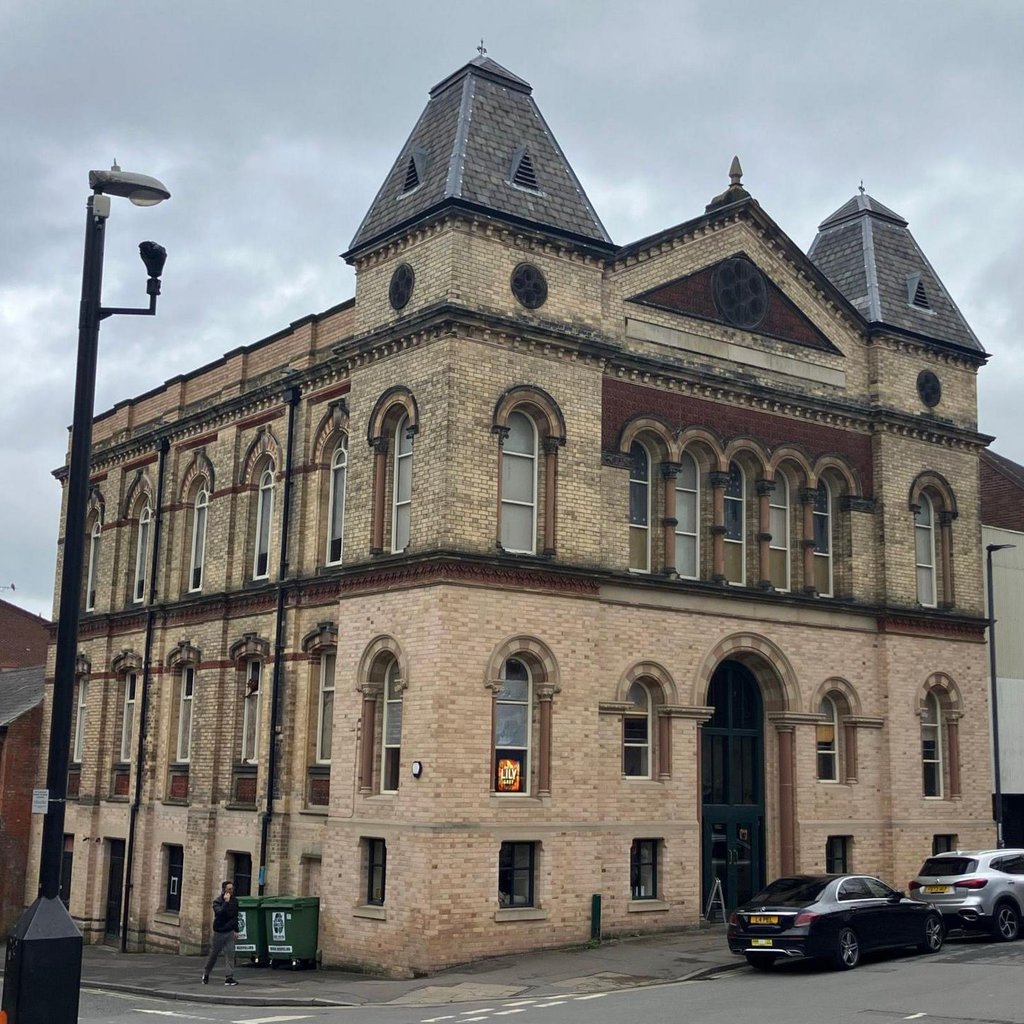 Sat12Dec
 Sat12Dec
 Sat12Dec
 Sat12Dec
 Sat12Dec
 Sat12Dec
 Fri18Dec
Festival tickets go up in stages, so the sooner you book, the less you pay.
 Fri4Dec
 Sat29May
 Fri4Dec
 Sat6Feb
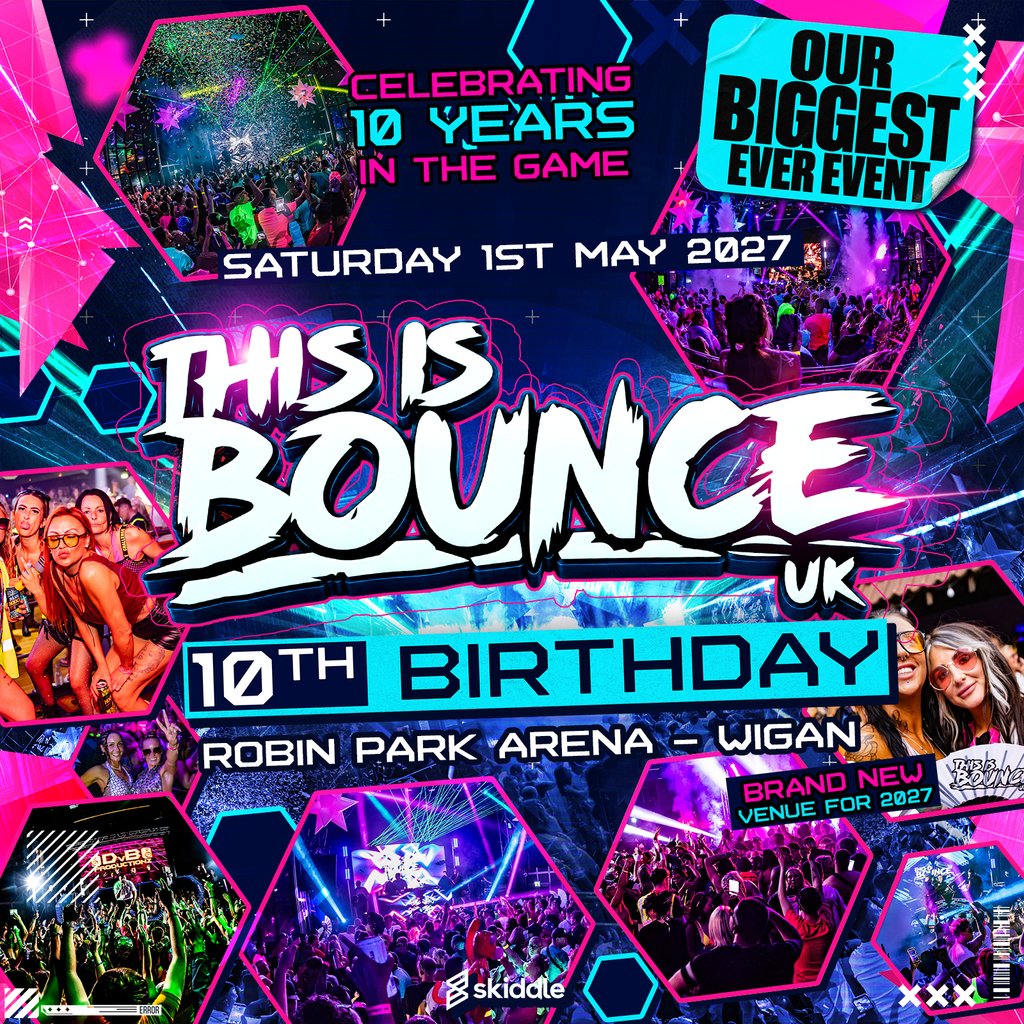 Sat1May
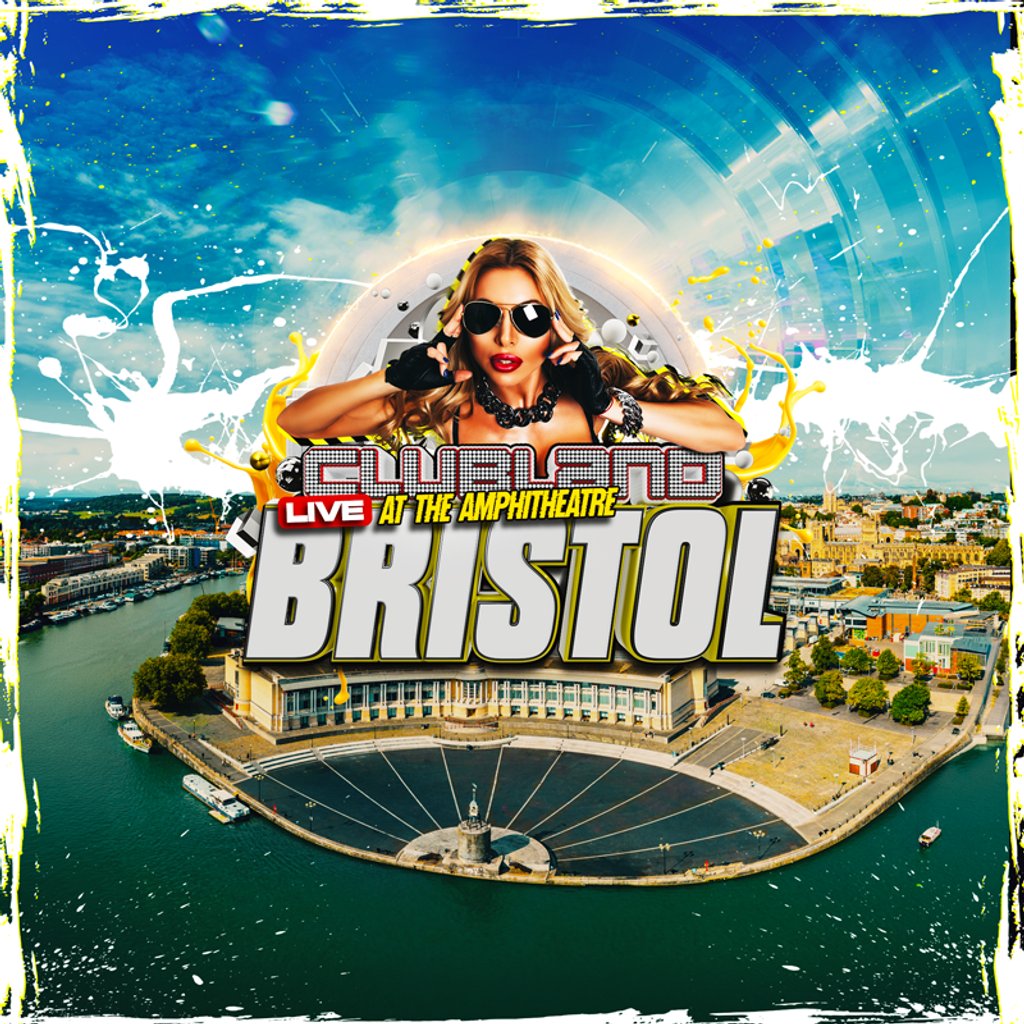 Fri14May
Hard Dance is the catch-all name for a family of fast, hard-edged electronic styles that grew out of house and trance, including UK hard house, hard trance, hard NRG and hardstyle. As an umbrella term, it's used for EDM mainly developed out of hard trance and UK hard house, usually characterised by fast tempos, hard kick drums and a "bouncy" syncopated groove. Expect punchy, often offbeat basslines, big "hoover" synth stabs, driving kick drums and tracks built around a tension-and-release structure. It often features a speedy tempo, typically around 150 BPM but ranging from around 135 to 165 BPM, offbeat bass stabs, hoovers and horns, usually with a breakdown in the middle where the drums drop out before the beat crashes back in. Harder NRG variants push things further still, with an ominous, dark and aggressive feel on a slightly faster BPM range than UK hard house.
The roots lie in late-80s and early-90s British rave culture. UK hard house emerged in the early 1990s and is synonymous with the Trade club in London and the DJs there who created the style, with its immediate roots in Belgian and German techno, disco-sample house, handbag house and early trance. Trade ran its famous Sunday slot at Turnmills in London until it ended its weekly London Sunday slot on 27 October 2002, which was Trade's 12th birthday.
Tony De Vit, who played at Trade, became the sound's figurehead; Tidy Trax regularly released his music, and he's often credited as the "godfather of UK hard house". He died in 1998, and the scene still marks his memory. Leeds and Yorkshire became a real hub for the sound: Tidy Trax, founded in 1995 by Rotherham's Andy Pickles and Amadeus Mozart (the Tidy Boys), is based in Leeds and is known for promoting hard house that's both fun and high-tempo. The label grew into a touring brand, with the Tidy Weekender becoming a regular three-day event, while the label itself was at the forefront of the hard house scene specifically between 1998 and 2005. Birmingham had its own stronghold too, home to the Sundissential brand, which reached something close to legendary status with die-hard fans. Manchester's Bowlers Exhibition Centre, in Trafford Park, was another cornerstone of the wider rave and hard dance world, a cornerstone of the UK's rave culture in the 1990s that drew thousands of dance music enthusiasts across its expansive 84,000-square-foot space.
On the airwaves, BBC Radio 1's Sunday night institution carried the sound to bedrooms across the country: Dave Pearce created and originally presented BBC Radio 1's Dance Anthems, which became a Sunday night clubbing institution for a generation. Producer-DJs such as Andy Farley kept the flame going into the 2010s, releasing the Harder Louder Faster compilation in 2012 with Technikore and Mark EG, featuring tracks running at around 140–175 BPM, which Mixmag named Compilation of the Month.
Hard Dance never went away, it just went underground and reconnected with its roots. Tidy itself is a good example: during the mid-2010s the brand had a huge resurgence, revitalising the UK hard house scene with big events across the country, helped by fans reconnecting through social media. Bowlers in Manchester still hosts dedicated hard dance line-ups, and the old guard and newer crews share bills at 90s-flavoured weekenders and dedicated hard house, hard trance and hardstyle nights up and down the country, from seaside towns to city-centre clubs.
Expect a friendly, slightly old-school rave atmosphere rather than a fashion parade: whistles, glowsticks and a lot of hands in the air aren't unusual. Crowds skew towards people who grew up on the sound alongside a newer generation discovering it, and DJ sets tend to build steadily rather than chop between tracks every thirty seconds, so you get long, energetic runs at full tempo.
Wear something comfortable you can dance hard in for hours, flat shoes are your friend. The tempo takes a bit of getting used to if you're coming from house or techno, so give your ears ten or fifteen minutes to adjust rather than judging