 Sat10Oct
 Bonobo Saturday’s
House · Tech HouseFree

House is dance music built around a steady, four-to-the-floor kick drum, with basslines, synths and often soulful or chopped-up vocals layered over the top. It's characterised by a repetitive four-on-the-floor beat and a typical tempo of 115–130 beats… Read our guide to House ↓
206 events found
Sat10Oct  Sat10Oct
  Sat10Oct
  Sat10Oct
  Sat10Oct
  Sat10Oct
  Sat10Oct
  Sat10Oct
  Sat10Oct
  Sat10Oct
  Sat10Oct
  Sat10Oct
  Sat10Oct
  Sat10Oct
  Sat10Oct
  Sat10Oct
  Sat10Oct
  Sat10Oct
  Sat10Oct
  Sat10Oct
 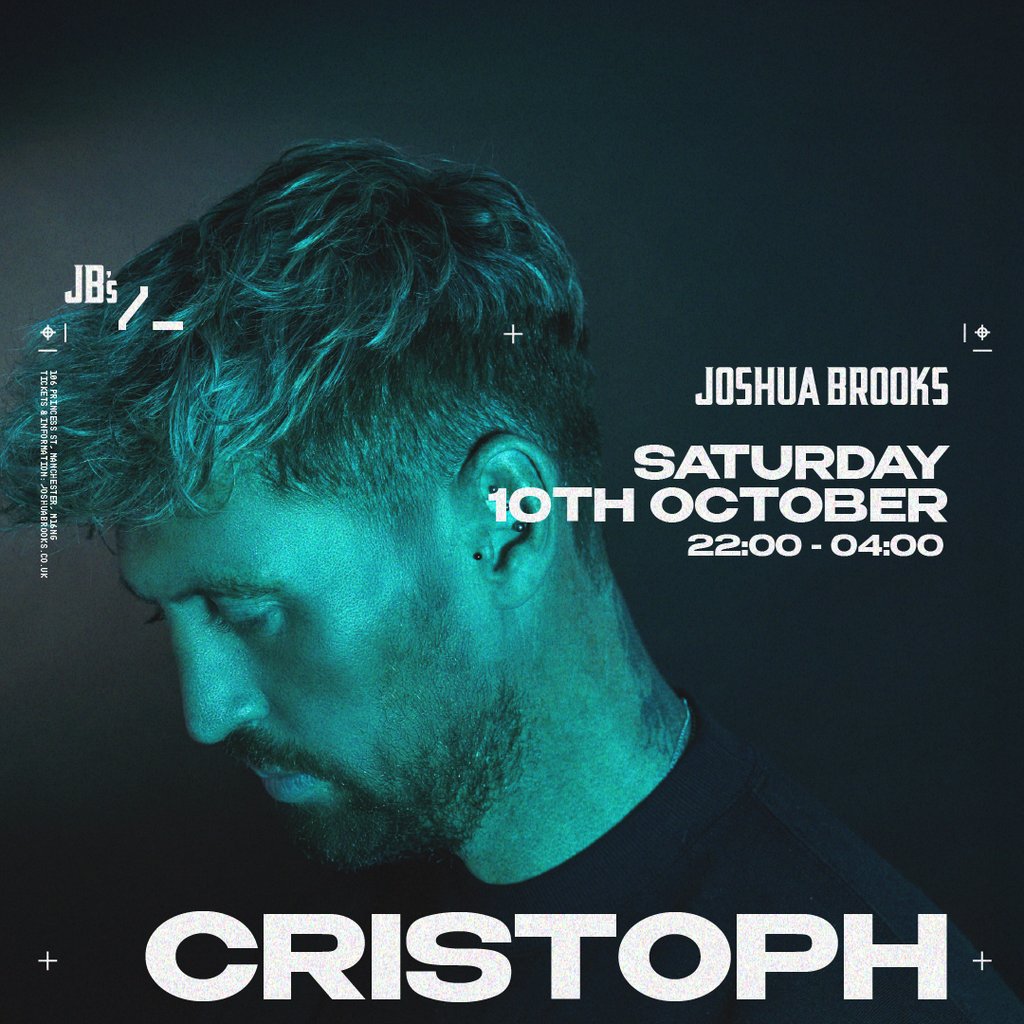 Sat10Oct
  Sat10Oct
  Sat10Oct
  Sat10Oct
 House is dance music built around a steady, four-to-the-floor kick drum, with basslines, synths and often soulful or chopped-up vocals layered over the top. It's characterised by a repetitive four-on-the-floor beat and a typical tempo of 115–130 beats per minute, which is exactly why it's so easy to lose yourself in on a dancefloor – quick enough to move your feet, steady enough to groove rather than rush. Within that broad tempo range sits a huge family of sounds, from the warmer, jazzier end of deep house to punchier tech house and bass house, so a House night can range from mellow and soulful to properly driving depending on who's behind the decks.
It was created in Chicago by DJs and music producers from the city's queer Black underground club culture and evolved slowly in the early/mid 1980s as DJs began altering disco songs to give them a more mechanical beat. Clubs like the Warehouse, and DJs including Frankie Knuckles, gave the genre its name and its blueprint.
The sound crossed the Atlantic fast. House first charted in the UK in Wolverhampton following on from the success of the Northern Soul scene, and the record generally credited as the first house hit in the UK was Farley "Jackmaster" Funk's "Love Can't Turn Around", which reached #10 in the UK singles chart in September 1986. From there it took hold across the country in different ways: DJs like Mark Moore, Colin Faver and Paul "Trouble" Anderson in London; Greg Wilson, Graeme Park, and Mike Pickering at The Haçienda in Manchester; and Winston & Parrot at Jive Turkey in Sheffield were all playing a part. Manchester's Haçienda became a genuine focal point – Jon Dasilva was offered a residency there and, alongside Mike Pickering, started Ibiza-inspired HOT nights, which were the birthplace of UK acid house, alongside Danny Rampling's Shoom in London. By 1988–89, the so-called Second Summer of Love had turned house and acid house into a full-blown British youth movement, with clubs like Shoom in London, Spectrum, Manchester's Haçienda and later Back to Basics becoming focal points for a rapidly growing scene.
Radio played its part too: Pete Tong's Essential Selection radio show, broadcast every Friday night beginning in 1991, became the place for club kids to learn about the latest in dance music, and his Essential Mix, broadcast on BBC Radio 1, has featured contemporary DJs and producers of electronic dance music since October 1993, with a two-hour mix from a different artist each week. Other cities developed their own strands too – Sheffield's Niche club, for instance, was the birthplace of bassline house and the speed garage scene in the UK, with DJ Jamie Duggan as resident.
Decades on, House is still one of the broadest, most reliably busy genres on any UK club listing. You'll find it as the backbone of weekly residencies, one-off label showcases and party brands in pretty much every clubbing city, spanning everything from intimate bar nights to bigger room parties with touring DJs and local residents sharing the bill. A typical night usually builds gradually – warm-up selectors easing the room in, then headline sets pushing the energy up – so don't expect peak-time intensity the second you walk through the door.
Turn up a little later than you think, since House nights tend to build rather than front-load the big moments, and check whether the event is residents-only early on with guests later. Comfortable shoes matter more than you'd expect, given how long a good four-on-the-floor groove can keep you moving. It's worth listening to a radio mix or a resident DJ's set beforehand so the style feels familiar once you're there, and if in doubt, smaller bar-based nights are a relaxed, low-pressure way to get a feel for the genre before trying a bigger room.