 Thu8Jul
Eskfest
Electro · IndieFree

Indie isn't really one sound, it's shorthand for music made outside the major-label system. Indie as a defined musical genre descriptor emerged from post-punk, new wave and "alternative" music released on late-1970s UK independent labels. Tony Wilson's Factory… Read our guide to Indie ↓
338 events found
Thu8Jul  Thu8Jul
 Fri9Jul
 Fri9Jul
 Fri9Jul
 Sat10Jul
 Sat10Jul
 Sat10Jul
 Sun11Jul
 Thu15Jul
 Fri16Jul
 Fri16Jul
 Fri16Jul
 Sat17Jul
 Thu22Jul
 Thu22Jul
 Thu22Jul
 Thu22Jul
 Fri23Jul
 Fri23Jul
 Fri23Jul
 Fri23Jul
 Fri23Jul
 Fri23Jul
Festival tickets go up in stages, so the sooner you book, the less you pay.
 Fri23Jul
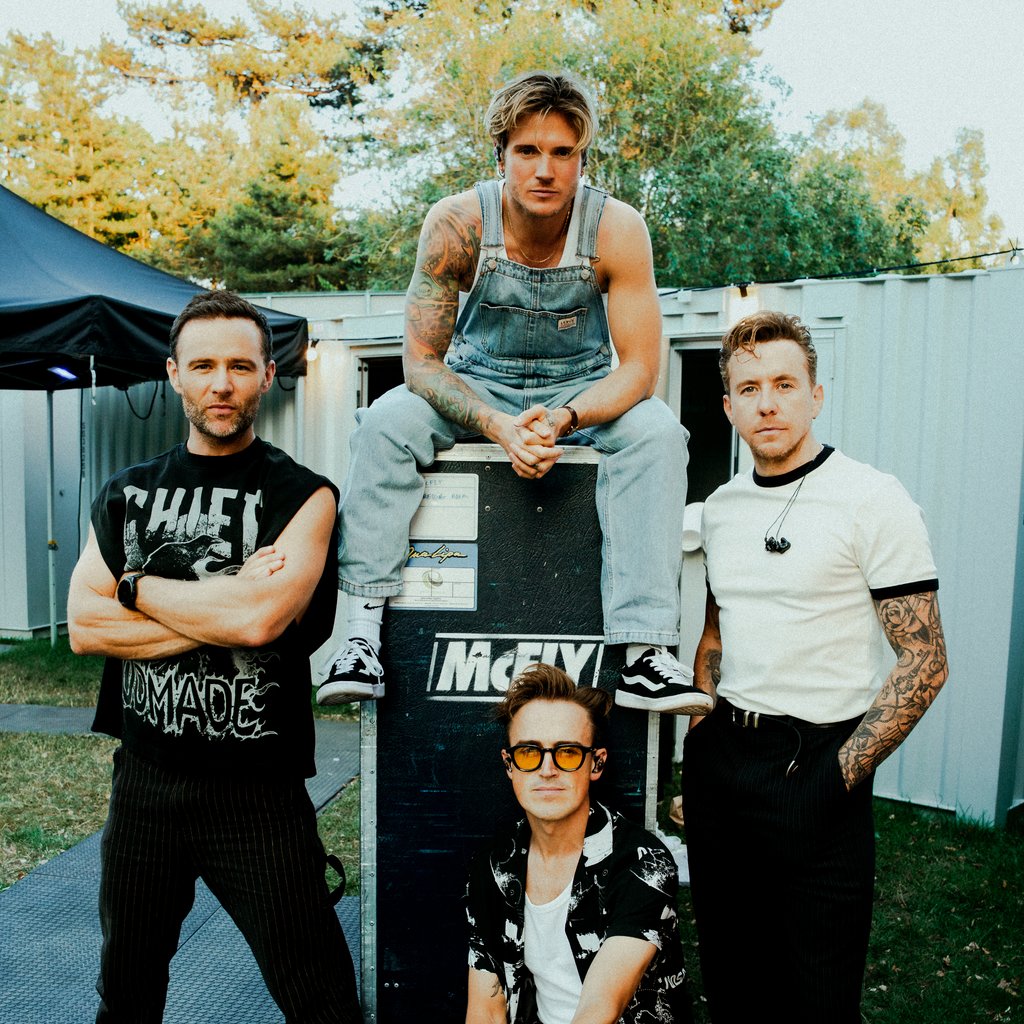 Thu29Jul
 Fri6Aug
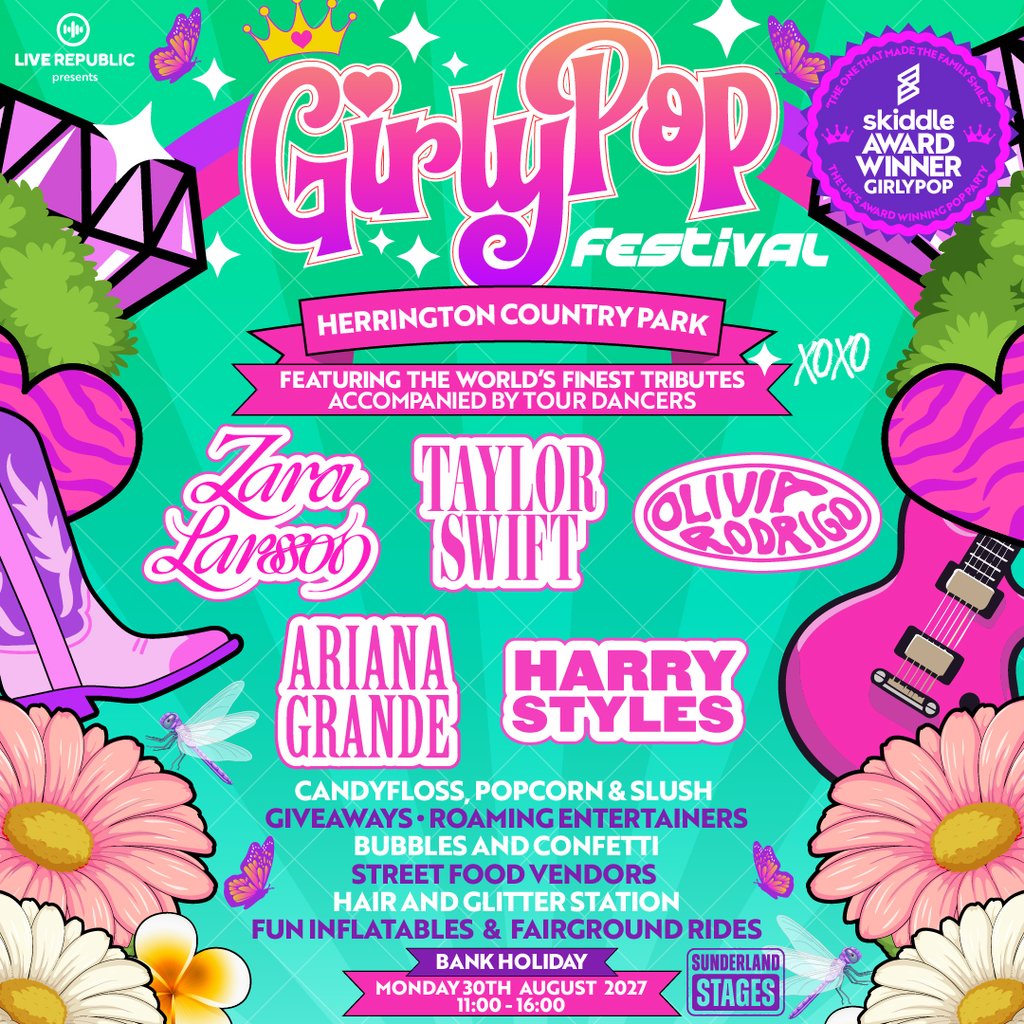 Mon30Aug
 Thu2Sep
 Fri27Nov
Indie isn't really one sound, it's shorthand for music made outside the major-label system. Indie as a defined musical genre descriptor emerged from post-punk, new wave and "alternative" music released on late-1970s UK independent labels. Tony Wilson's Factory Records, Daniel Miller's Mute, Chris Parry's Fiction and Geoff Travis's Rough Trade were all founded in 1978. From the start the sound varied hugely, from the brooding intensity of early Factory releases to jangling guitar pop, but what tied it together was the DIY attitude rather than a fixed tempo or beat. A key turning point came with C86, a cassette compilation released by NME in 1986 featuring new bands from British independent labels, which quickly evolved into shorthand for a guitar-based music genre characterised by jangling guitars and melodic power pop song structures, with Glasgow often seen as the home of C86 thanks to bands like The Pastels, The Soup Dragons and Primal Scream. On a dancefloor today, "indie" usually means guitar-driven songs you can bellow along to at a brisk, danceable pace, sitting somewhere between full-on rock gig energy and a disco groove.
Indie's club life really took off in London in the 1990s and 2000s. Club X became the second longest-running indie night ever after Feet First at Camden Palace, while Erol Alkan's Trash started in 1997 at Plastic People in Soho on a Monday night and ran for ten years, from January 1997 to January 2007. The mid-2000s guitar boom then found its home at Camden's KoKo, where Club NME officially launched in 2005, drawing guest DJs from bands such as The Libertines and hit London indie