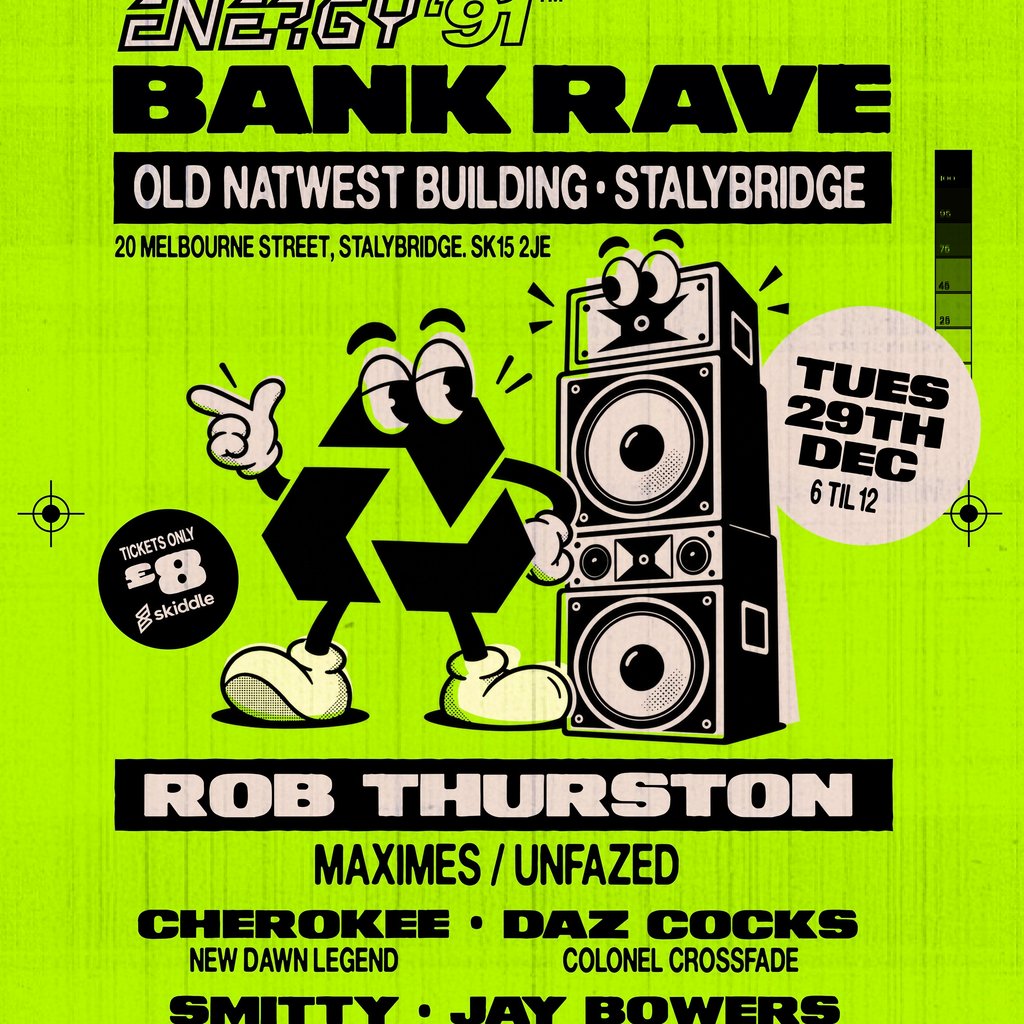
 Tue29Dec
Energy 91 BANK RAVE
House · Old Skool£8

Rave grew out of acid house, the sound that arrived in the UK from Chicago and Detroit and took hold in London and Manchester clubs and warehouses. In the summer of 1988, a new kind of music appeared… Read our guide to Rave ↓
81 events found
Tue29Dec  Thu31Dec
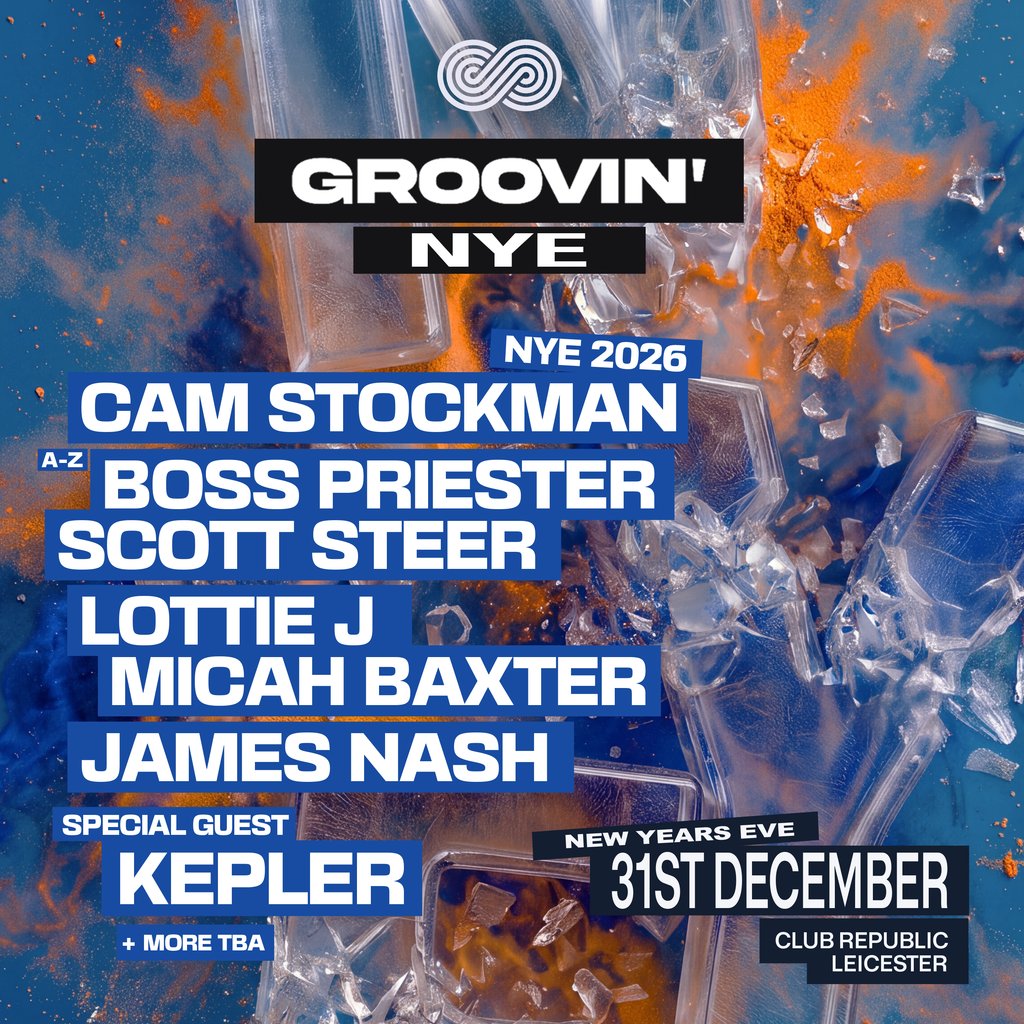 Thu31Dec
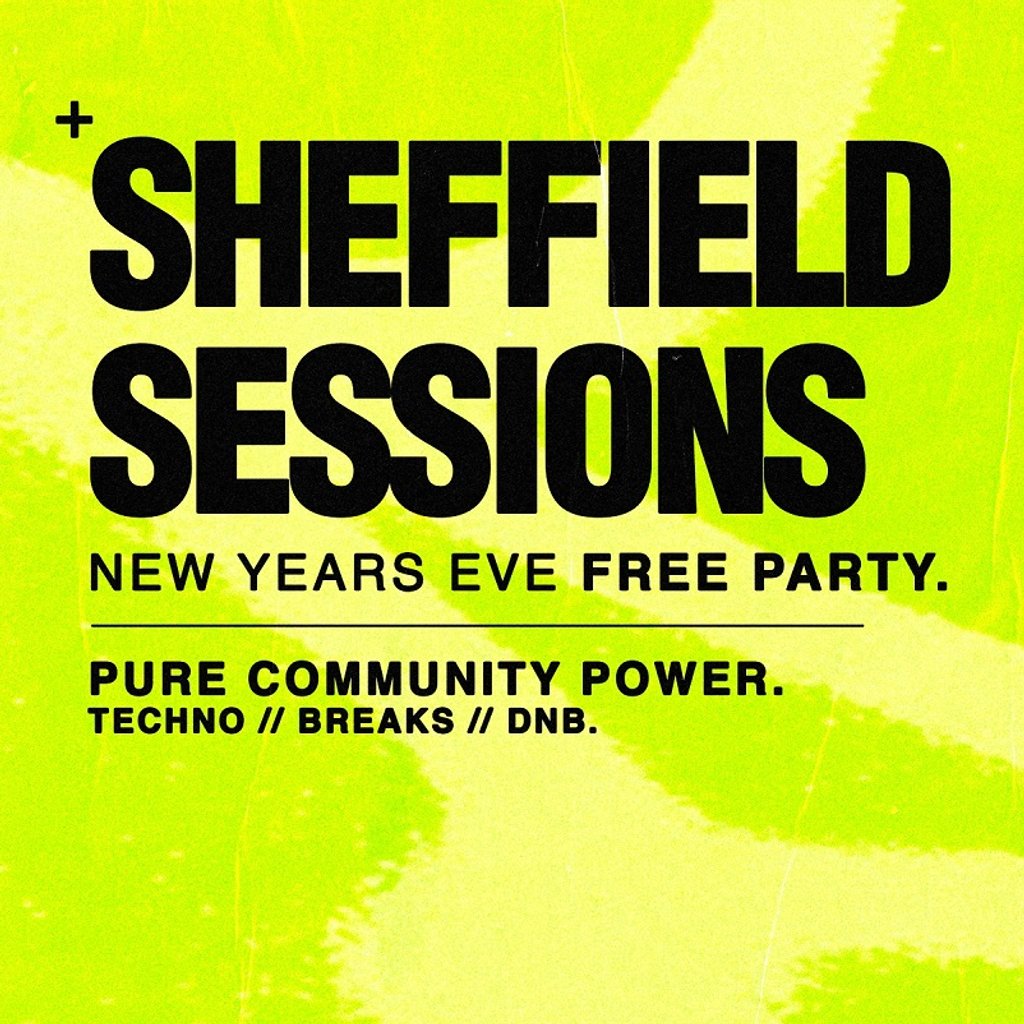 Thu31Dec
 Thu31Dec
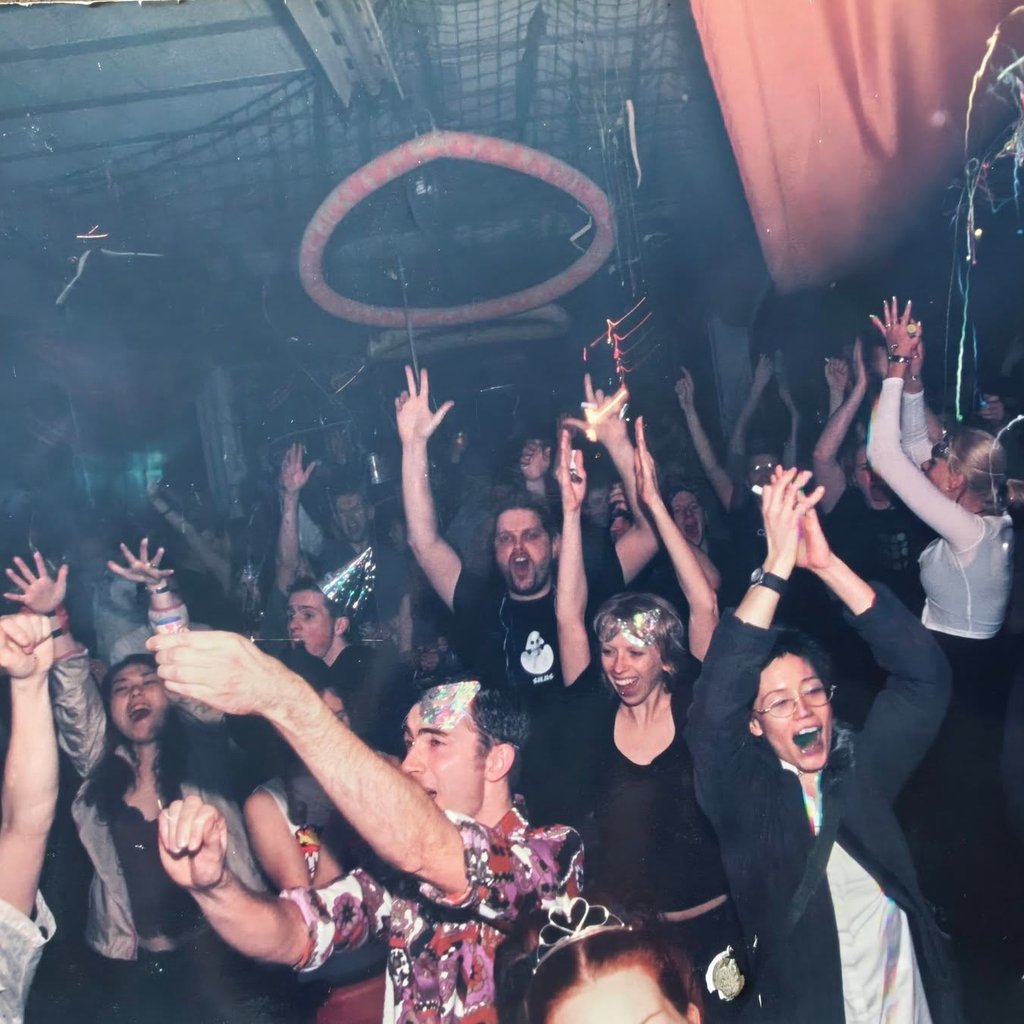 Fri1Jan
 Sat2Jan
 Sat16Jan
 Sat23Jan
 Sat23Jan
 Sat23Jan
 Fri29Jan
 Fri29Jan
 Sat30Jan
 Sat30Jan
 Sat30Jan
 Sat30Jan
 Sat30Jan
 Sat30Jan
 Sat13Feb
 Sat13Feb
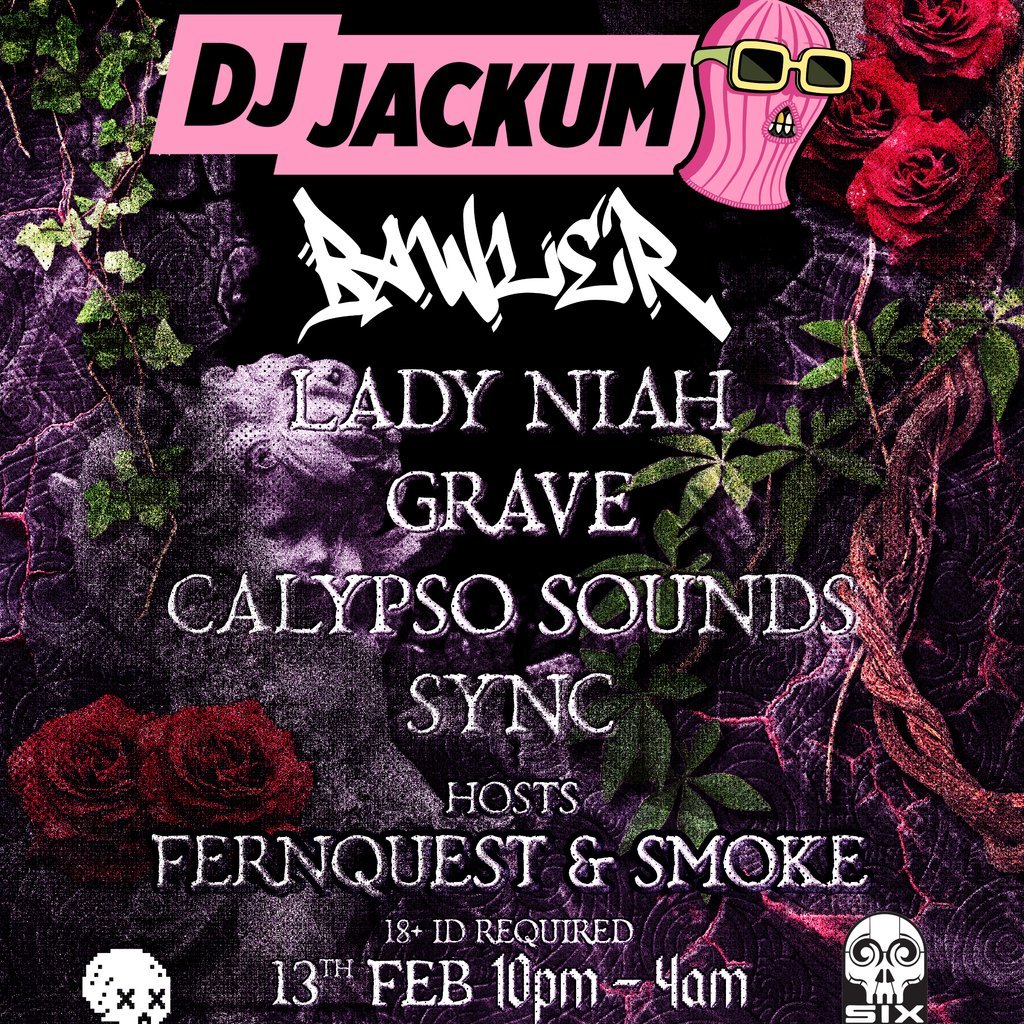 Sat13Feb
 Sat20Feb
 Sat20Feb
Festival tickets go up in stages, so the sooner you book, the less you pay.
Fri29Jan Sat30Jan Sat30Jan  Sat27Feb
 Sat27Feb
 Fri30Apr
Rave grew out of acid house, the sound that arrived in the UK from Chicago and Detroit and took hold in London and Manchester clubs and warehouses. In the summer of 1988, a new kind of music appeared in clubs, abandoned warehouses and fields across the UK, drawing on Detroit, Chicago, German and Ibiza influences that Britain made its own. As the music sped up through the early 90s it split into breakbeat hardcore, built on four-on-the-floor rhythms with breakbeats usually sampled from hip-hop, typically sitting around 130-150 BPM. From there the family tree branched further: happy hardcore emerged largely in the UK in the mid-1990s, characterised by a very fast tempo, usually around 160-180 BPM, often matched with solo vocals and a major key "happy" sound, while jungle and drum and bass pushed breakbeats even further. Expect piano stabs, sampled divas, sirens, chopped-up breaks and basslines that keep building rather than drop and stop.
The Second Summer of Love was a 1980s social phenomenon in the UK which saw the rise of acid house music and unlicensed rave parties, running through the summers of 1988 and 1989 fuelled by house music and MDMA. Manchester's Haçienda became central to the story - opened in 1982 and co-funded by New Order, designed by architect Ben Kelly with input from artist Peter Saville - while promoters like Genesis staged illegal parties in London warehouses, developing a reputation for cracking open huge warehouses and holding illegal raves week after week, from Aldgate to Hackney, Tottenham to Walthamstow.
By the early 90s the scene had gone legal and enormous: by 1991 organisations such as Fantazia, Universe, Raindance and Amnesia House were holding massive legal raves in fields and warehouses, with one Fantazia party attracting 30,000 people. The free party side peaked at Castlemorton Common Festival in 1992, a free party that drew tens of thousands and triggered the UK's Criminal Justice Act. That Act, passed in 1994, introduced restrictions clamping down on unlicensed raves and infamously defined rave music as "sounds wholly or predominantly characterised by the emission of a succession of repetitive beats", empowering police to disperse outdoor gatherings of 100 or more people playing such music. After that, the main outlet for raves became licensed venues including Helter Skelter, Life at Bowlers in Trafford Park Manchester, The Edge in Coventry, and The Sanctuary in Milton Keynes.
Old skool rave never really went away, it just went underground again and resurfaced. Rave nostalgia has been building, with newer artists taking elements of acid house, jungle and hardcore from the golden era and blending them into a renaissance of the original UK sound. You'll find it as weekender festivals such as Bang Face, which has been described as maintaining "the perfect blend of old skool rave and the finest contemporary leftfield sounds", through to smaller club nights, pub back rooms and one-off warehouse-style parties up and down the country, often leaning into the 90s sound deliberately: breakbeats, piano stabs, MCs on the mic, big basslines and a friendly, unpretentious crowd who grew up on this music or wish they had.
Go in expecting breaks and basslines rather than a steady techno four-to-the-floor all night - rave sets often chop between tempos and throw in old anthems alongside newer tunes. Wear something comfortable you can dance in for hours, and don't worry about looking "cool" - rave crowds tend to be warm and welcoming rather than judgemental. If an MC's on the mic, that's part of the tradition, not a distraction. Bring earplugs if you're sensitive to volume, and pace yourself with water, since these nights are built for the long haul till the small hours.