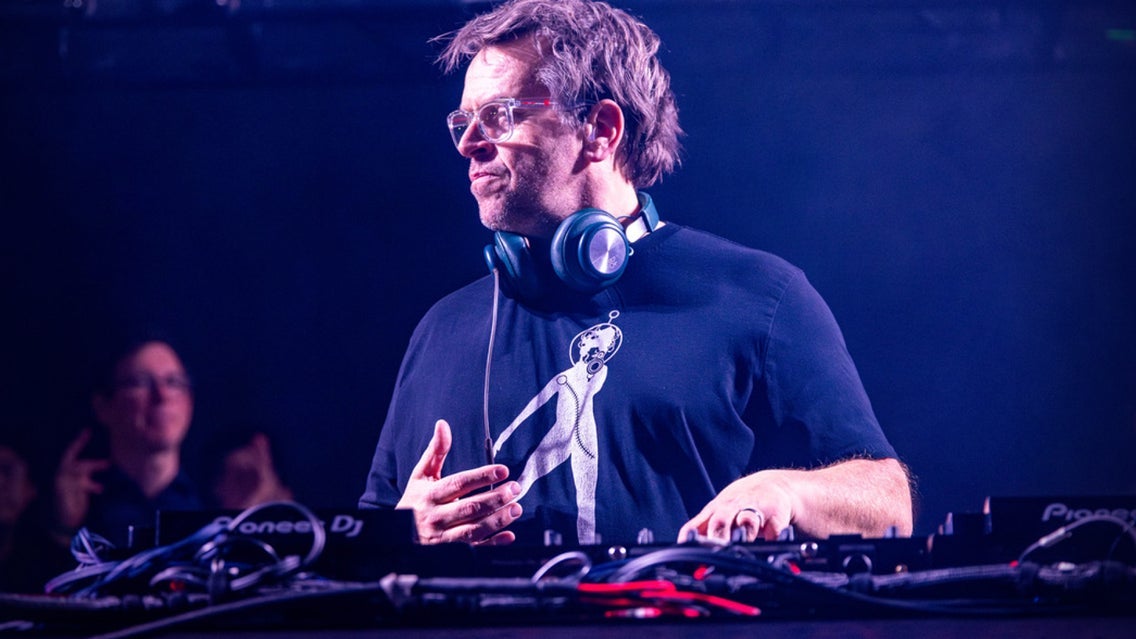
 Sat14Nov
 An Evening with Chicane
Pop · Rock

Rock is built around electric guitars, bass and drums, usually with a strong verse-chorus structure that's easy to sing along to. Its roots are in rhythm and blues: it came from rhythm and blues music, which came from… Read our guide to Rock ↓
29 events found
Sat14Nov  Sat14Nov
  Sun15Nov
  Sun15Nov
  Tue24Nov
 Rock is built around electric guitars, bass and drums, usually with a strong verse-chorus structure that's easy to sing along to. Its roots are in rhythm and blues: it came from rhythm and blues music, which came from blues, jump blues, boogie woogie, up-tempo jazz, and swing music, as well as gospel, country and western, and traditional folk music. Tempo-wise, early rock and roll generally sat around 100–160 BPM, often described as an upbeat 100–160 BPM pace, though plenty of classic tracks push faster still. On a night out, that translates to music with real drive and a big singalong factor, running from fist-pumping classic rock through to punchier metal and nu-metal.
Rock and roll itself is a genre of popular music that evolved in the United States during the late 1940s and early 1950s, eventually becoming the broader international style known as rock music. Once it crossed the Atlantic, the UK built its own rock culture around radio, record shops and a handful of clubs. BBC Radio 1's Friday Rock Show became central to this: it ran on BBC Radio 1 from 10pm to midnight on Friday nights, from 17 November 1978 until 2 April 1993, hosted for most of its existence by Tommy Vance. Vance was an important factor in the rise of the new wave of British heavy metal, along with London DJ Neal Kay, and was one of the first UK radio hosts to broadcast hard rock and heavy metal nationally. On the club side, Nottingham's Rock City opened its doors in December 1980 and, first opened its doors in December 1980 with The Undertones playing first after the originally booked Iron Maiden gig was cancelled. London's Camden became the other great hub, with venues like The Underworld building a reputation as Camden Town's home of Rock, Metal & Alternative music, alongside long-running pubs such as the Devonshire Arms and the Black Heart.
Today's rock scene mixes long-running institutions with newer, friendlier formats. Rock City still fills its main hall and runs regular club nights through the week. In Camden, weekend sessions keep the guitar-music tradition going, with cheap drinks and guest and resident DJs mixing it up to keep the rock anthems blasting until 3am. Alongside the classic late-night format, there's also a growing crop of earlier, more relaxed afternoon sessions aimed at people who'd rather head home before midnight, plus crossover nights that blend eras and subgenres, from nu-metal and pop-punk throwdowns to indie and alt-80s evenings, often in function rooms and smaller clubs rather than huge arenas.
Dress code is simple: band tees, boots and denim are all fine, and nobody will bat an eyelid either way. Arrive a little before the DJ really gets going if you want to grab a decent spot near the stage or dancefloor, and expect requests to be welcomed rather than frowned upon at most smaller nights. Earplugs are worth packing if you're sensitive to volume, and it's worth checking whether a night is an afternoon session or