UK rave history: the legendary clubs
Every town has a club people still talk about. This is our guide to the UK's legendary clubs: where they were, when they were open, the nights and DJs that made them, and what's on at the ones still going. Each club has its own page with its story, and we're adding memories, flyers and photos sent in by people who were there.
Before rave: northern soul and the all-nighter
Long before acid house, the all-nighter was already a northern tradition. Clubs like the Golden Torch in Stoke and Wigan Casino packed in dancers from all over the country to hear rare American soul records until the sun came up. The idea that you could travel miles for one room, one sound and one night started here.
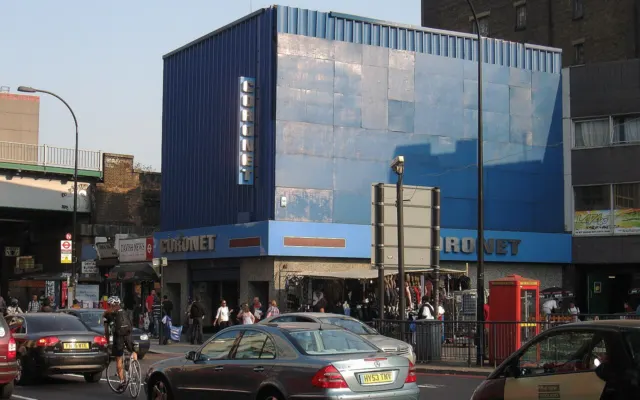
The Coronet
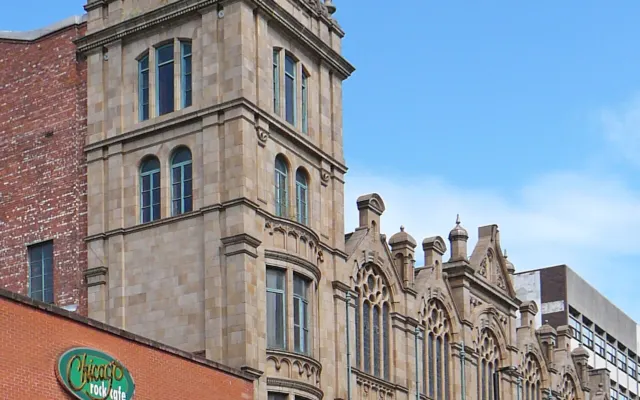
Albert Hall
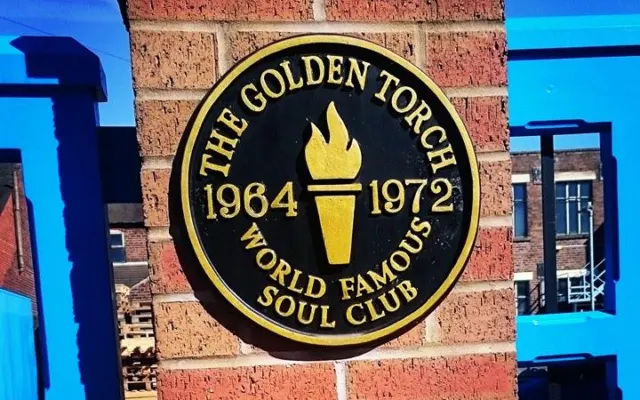
Golden Torch
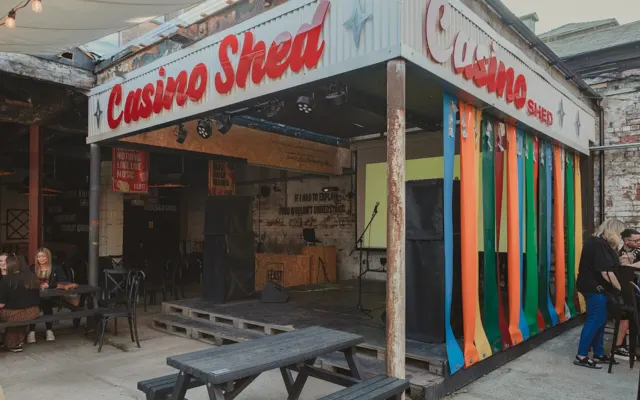
Wigan Casino
Angels
The 1980s: warehouses, gay clubs and the first DJ culture
Through the early and mid 80s, a handful of clubs became places where the music mattered more than the dress code. Gay clubs, soul and funk nights and early electronic nights were playing the records that would soon change everything, and in Manchester a club owned by a record label was about to make history.
Tall Trees
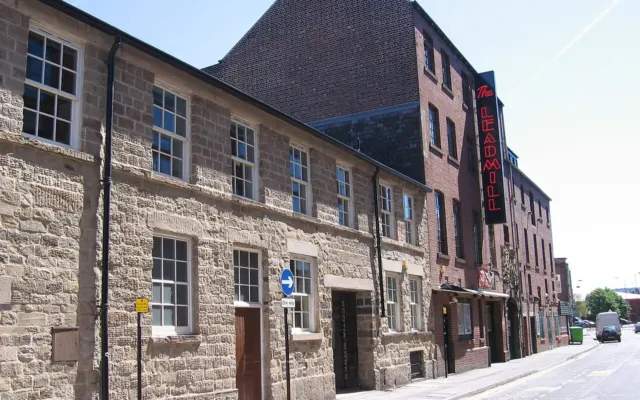
The Leadmill
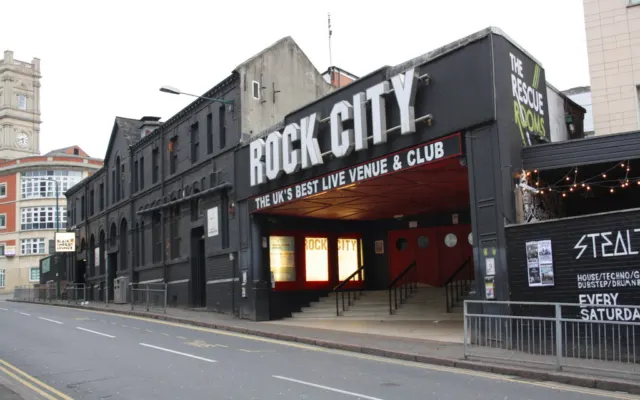
Rock City
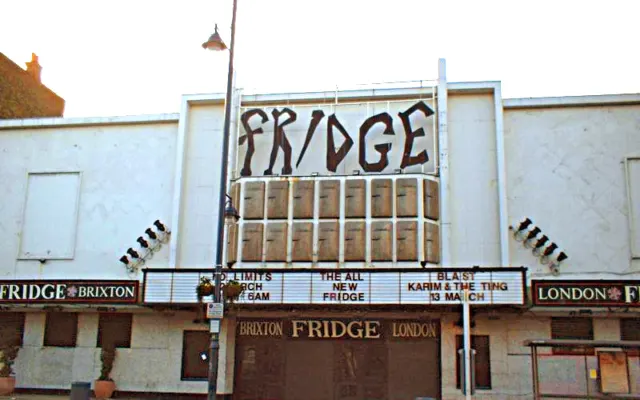
The Fridge
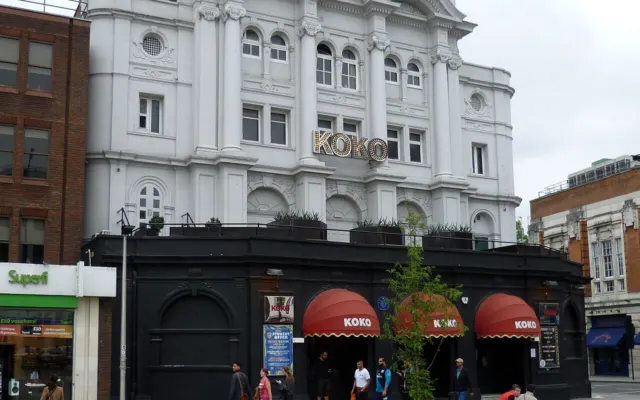
Camden Palace
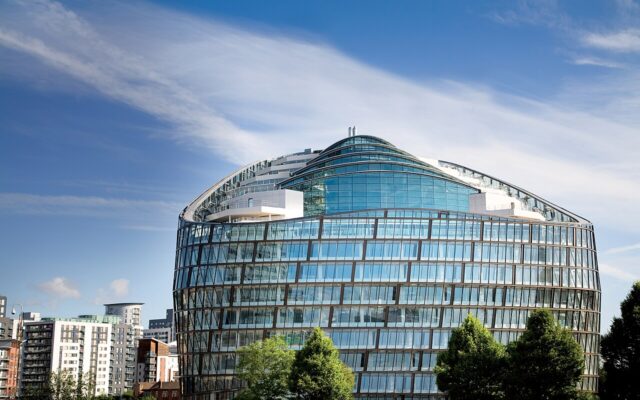
The Haçienda
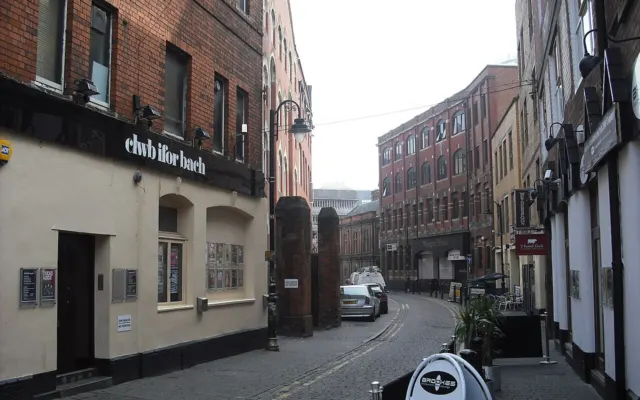
Clwb Ifor Bach
Hollywood's
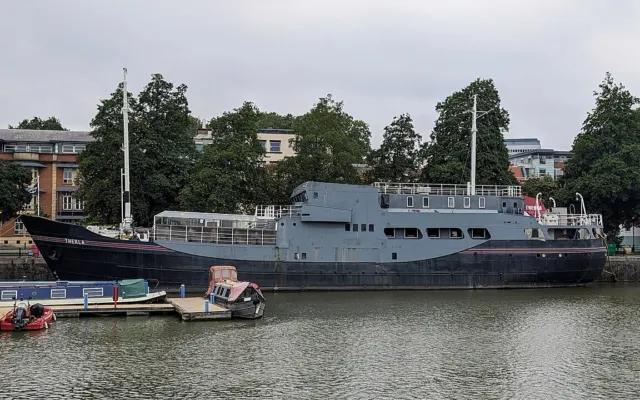
Thekla
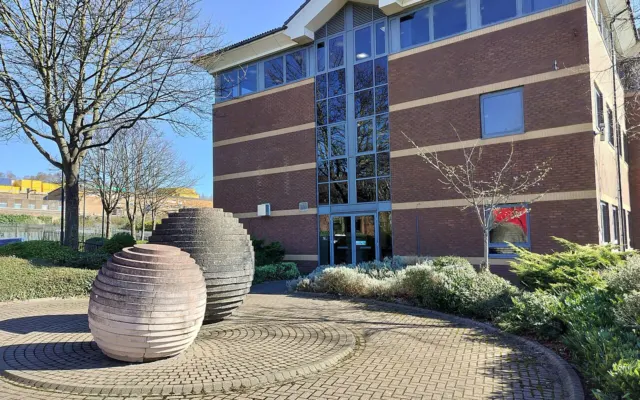
Riverside
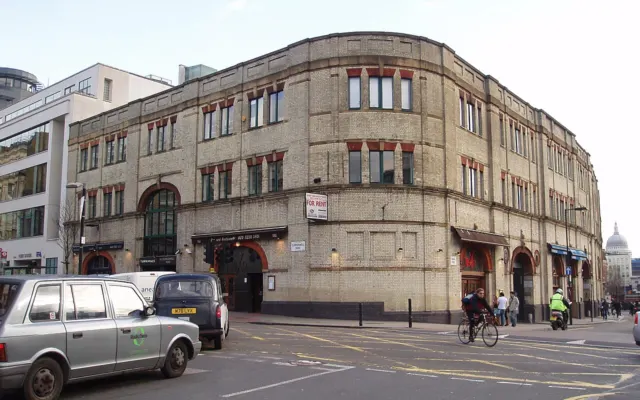
Turnmills
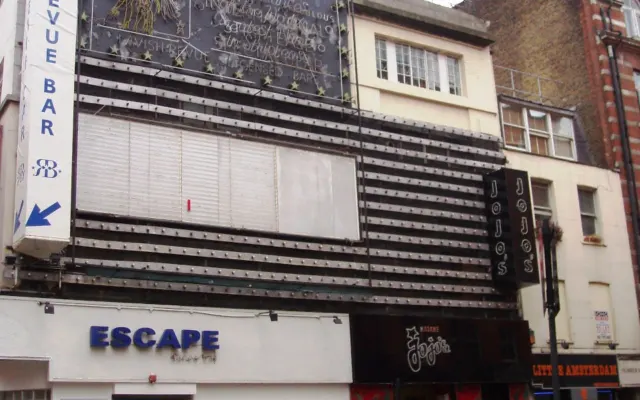
Madame Jojo's
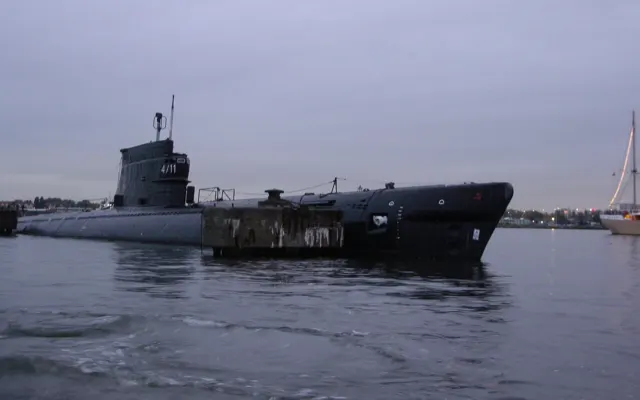
Sub Club
1988 to the early 90s: acid house and the rave explosion
The Second Summer of Love in 1988 turned underground parties into a national movement. Smiley faces, warehouse raves and orbital parties gave way to licensed clubs, and new rules on unlicensed events pushed the scene indoors. Clubs from Brighton to Glasgow became home to house, techno, hardcore and the first jungle.
The Que Club
Shelley's Laserdome
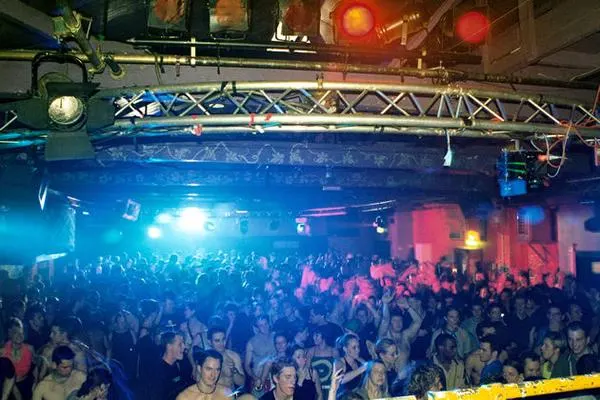
Bagley's
Ministry of Sound
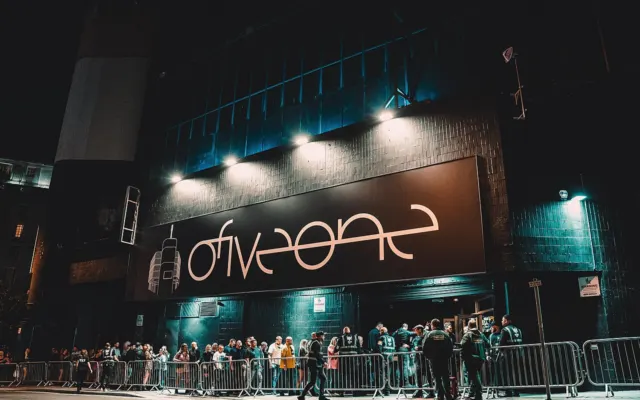
Club 051
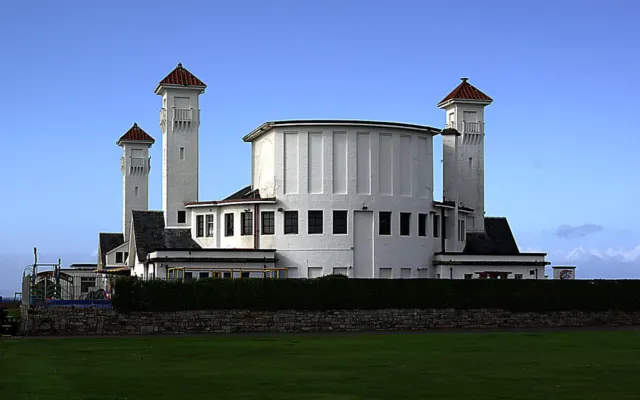
Hanger 13
The superclub era: the mid 90s onwards
By the mid 90s, clubbing was big business. Superclubs with famous resident DJs, their own merchandise and mix CDs drew coaches of clubbers every weekend. Trance, progressive house, hard house and UK garage filled the biggest rooms in the country, and a night at one of these clubs was a rite of passage.
The Leisure Lounge
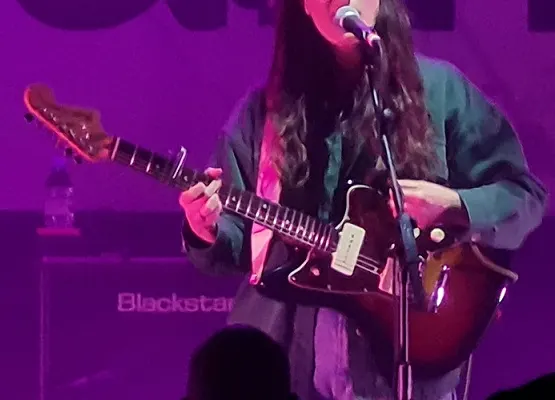
The Sugarmill
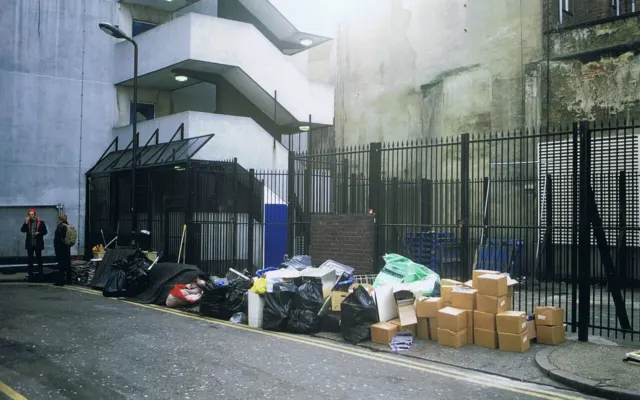
The End
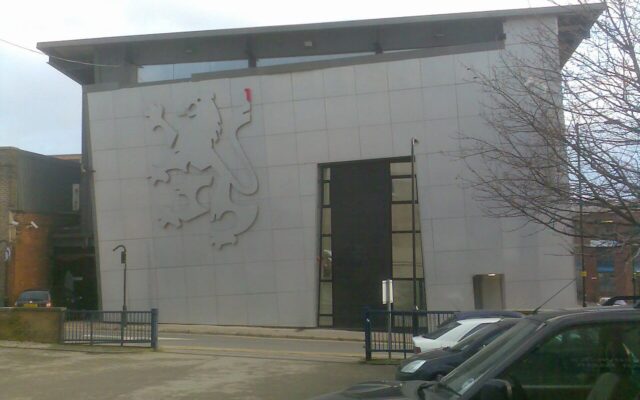
Gatecrasher One
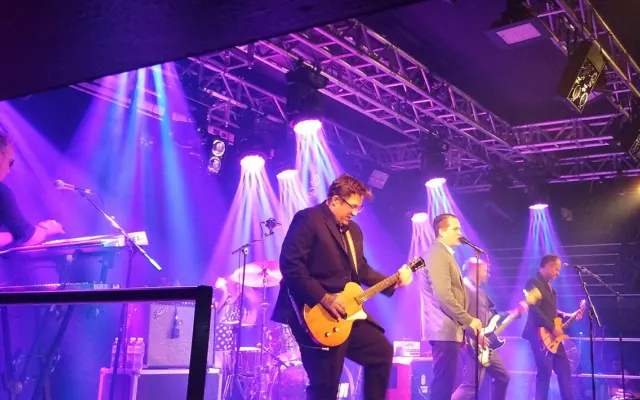
The Liquid Room
Home
Pacha London
The 2000s: bigger sound systems, smaller rooms
As the superclubs closed, the scene split. Some clubs went bigger and more international, while smaller venues with great sound systems built loyal crowds around techno, dubstep, drum and bass and deep house. Many of the clubs that opened in this decade are still going.
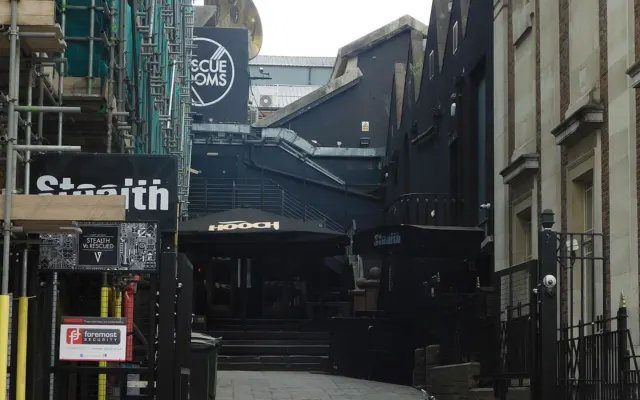
Stealth
Wire
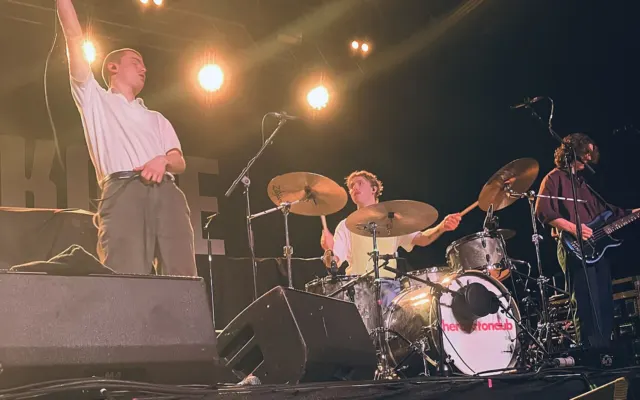
SWG3
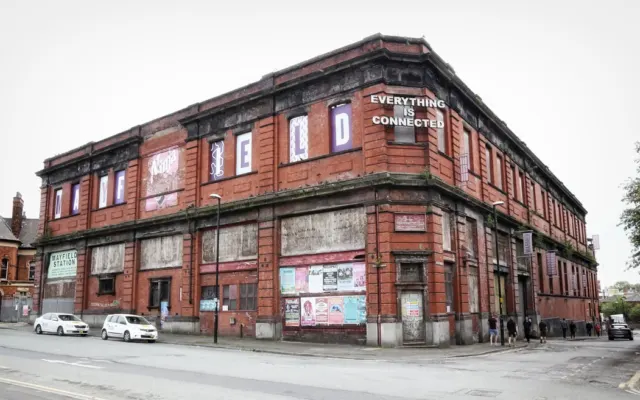
The Warehouse Project
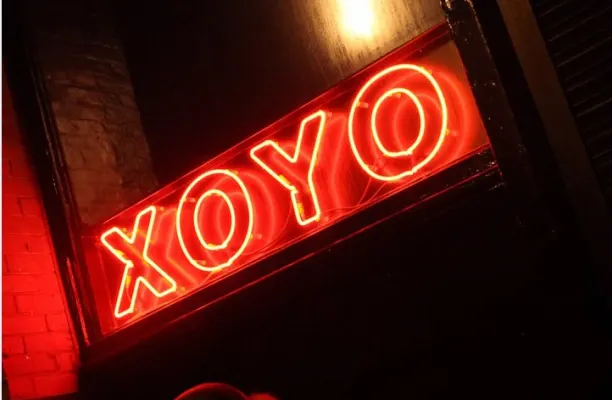
XOYO
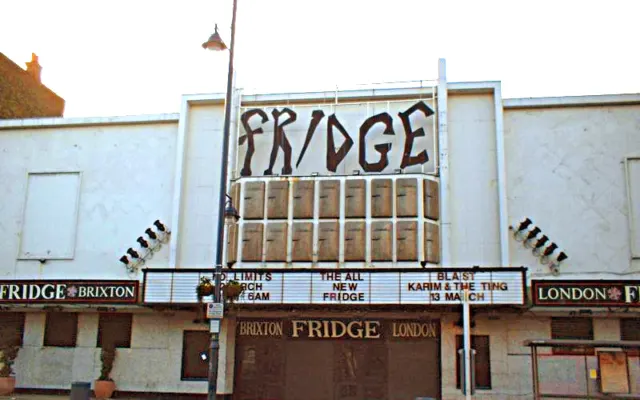
Electric Brixton
Today's institutions
The clubs that define a night out now: converted warehouses, railway arches and old industrial spaces with serious sound, plus long-running venues that have outlasted every trend. Check what's on at each one below.
Lab11
Pryzm Kingston
Tank
Hidden
Printworks
E1 London
FOLD